 Save
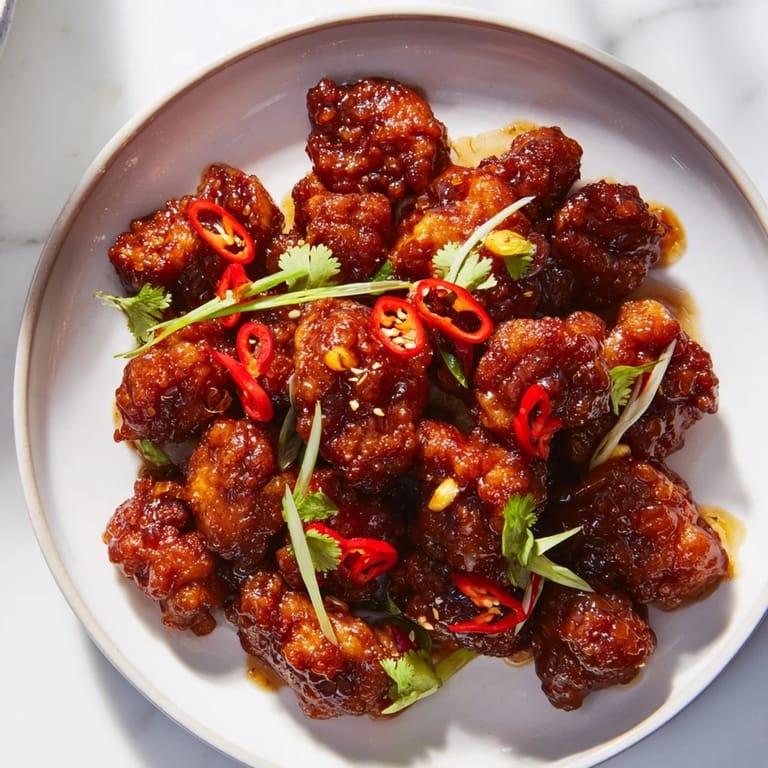
Save There's a particular magic to watching caramel transform in a wok—that moment when sugar shifts from pale gold to deep amber and you're suddenly racing against time to add chicken before it burns. My first attempt at Vietnamese caramel chicken came from watching my neighbor cook through her kitchen window on a humid Saigon evening, the steam rising from her wok catching the last light. She made it look effortless, though I later learned it required respect for that brief, beautiful window of caramelization and an almost meditative attention to the pan.
I made this for my sister on a Tuesday when she mentioned craving something warm and complex, something that didn't taste like it came from a jar. She sat at the counter while I worked, skeptical at first—how could caramel and fish sauce possibly belong together?—then quiet when the first bite hit. That's when I knew the recipe had crossed from technique into territory that mattered.
Ingredients
- Chicken thighs (800g): Thighs are your friend here; they have enough fat to stay succulent even under aggressive heat, unlike breasts which seize up and toughen if you look at them wrong.
- Fish sauce (3 tbsp): This is the secret that confuses people until they taste it—it dissolves into the caramel and becomes something almost meaty and profound, never fishlike.
- Light soy sauce (2 tbsp): Lighter varieties work better than dark here because you want the caramel's color to shine through, not get muddied.
- Brown sugar (2 tbsp) and lime juice (1 tbsp): Together they balance the marinade, the sugar bringing subtle richness and the lime cutting through with brightness.
- Garlic (2 tsp minced) and black pepper (1 tsp): Fresh ground pepper matters; pre-ground loses its bite by the time you need it most.
- Granulated sugar for caramel (4 tbsp): Granulated, not brown—brown sugar has moisture that interferes with the caramelization process.
- Spring onions, red chili, and coriander: These aren't decoration; they're the bright, sharp notes that make you realize how much depth the glaze achieved.
Tired of Takeout? 🥡
Get 10 meals you can make faster than delivery arrives. Seriously.
One email. No spam. Unsubscribe anytime.
Instructions
- Marinate the chicken:
- Combine chicken pieces with fish sauce, soy sauce, lime juice, minced garlic, and black pepper in a bowl. The longer it sits—even just 15 minutes—the more the flavors penetrate the meat, though I've gone up to an hour when I had time and noticed a real difference.
- Make the caramel:
- In a large skillet or wok over medium heat, combine 4 tbsp granulated sugar and 3 tbsp water. Here's where patience wins: don't stir, don't fidget, just watch. After about 4 to 5 minutes it'll turn from clear to pale gold to deep amber, and that's your moment.
- Add the chicken to caramel:
- The second it hits deep amber, immediately add the marinated chicken and all its juices to the caramel—the sizzle is loud and intentional. Toss quickly to coat everything evenly; this is when the caramel starts clinging to the chicken pieces.
- Finish cooking:
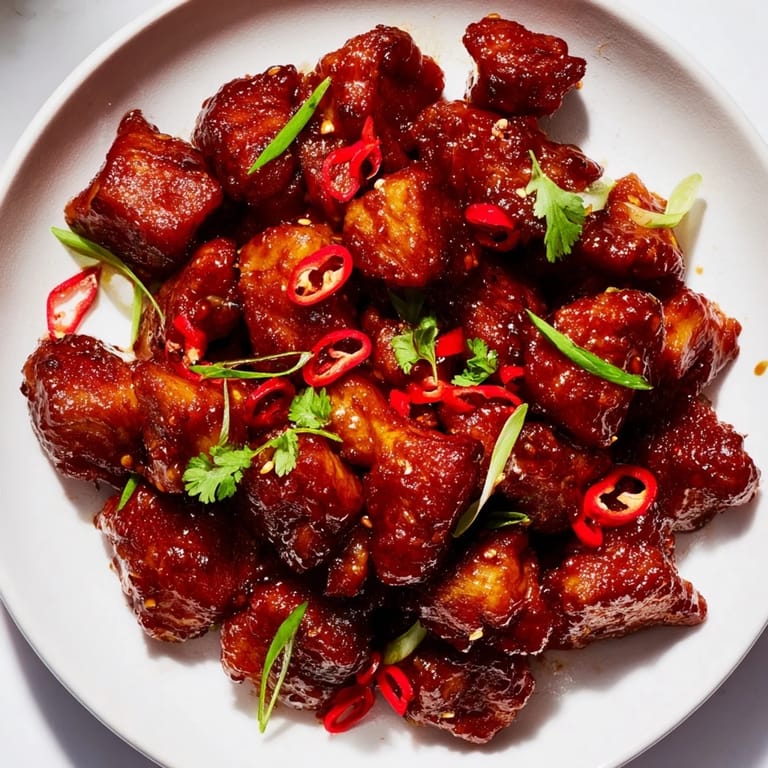
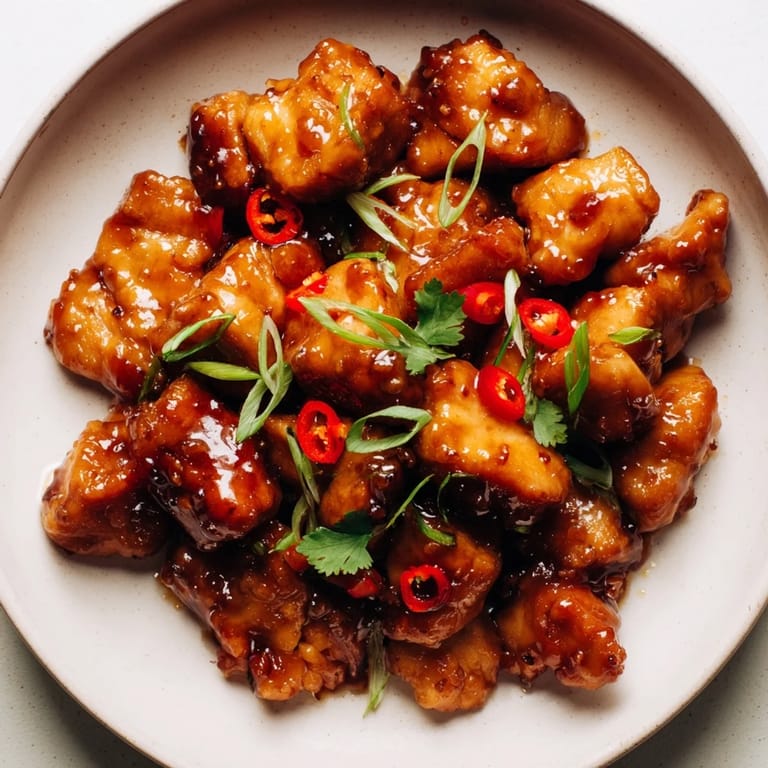
- Add the vegetable oil and increase heat to medium-high, stirring occasionally for 8 to 10 minutes until the chicken is cooked through and the sauce thickens into a glossy, mahogany-colored glaze. You'll know it's ready when the sauce stops sloshing and clings to the chicken like a coat.
- Taste and adjust:
- This step separates good versions from great ones—taste and decide if it needs more fish sauce for umami, more lime for brightness, or more sugar for sweetness. Trust your instincts here.
- Serve:
- Transfer to a serving plate and shower it with sliced spring onions, fresh red chili, and coriander leaves. The heat from the chicken will wilt the garnishes slightly, releasing their fragrance right when you're about to eat.
 Save
Save A friend tasted this version and said it reminded them of their grandmother's kitchen in Hanoi, which was perhaps the highest compliment I've received about any recipe. That's when I understood caramel chicken wasn't just technique—it was a small bridge between cultures, between time and memory.
The Science of Caramel in Savory Cooking
Caramel in Vietnamese cooking works differently than dessert caramel because it's meant to break apart the moment wet ingredients hit it. The proteins in the chicken and the salt in the fish sauce interact with the caramel to create a glaze rather than a hard coating. The key is not being afraid of that amber color—it looks darker than dessert caramel because you need that depth to cut through the umami without tasting burnt.
Pairing and Serving
This dish belongs alongside jasmine rice, which absorbs the glaze's richness while its fragrance complements the caramel's depth. If you want vegetables, snap peas or bok choy wilted in the remaining sauce would be natural—avoid anything that competes with the centerpiece. As for drinks, crisp white wine or iced green tea both cut through the richness and refresh your palate between bites.
Variations and Substitutions
You can use chicken breast if that's what you have, though you'll need to watch the heat more carefully—it cooks faster and dries out quicker than thighs. For extra spice, a pinch of chili flakes stirred into the marinade is subtler than fresh chili but equally effective. Some cooks add a splash of soy sauce in the final minute for deeper color, though it changes the balance of flavors slightly.
- Smaller, younger chickens will cook in less time than the 8 to 10 minutes specified—check for doneness by cutting into the thickest piece.
- If you're sensitive to fish sauce's intensity, start with 2 tbsp instead of 3 and adjust upward after tasting.
- This reheats beautifully, though add a splash of water when you warm it to prevent the glaze from becoming too thick and sticky.
 Save
Save Vietnamese caramel chicken is the kind of dish that tastes like someone took time with you, even when it only took 40 minutes. Make it when you want to feel competent in the kitchen and feed people something they'll remember.
Recipe Questions & Answers
- → How do you make the caramel for the chicken?
Heat granulated sugar and water over medium heat without stirring, allowing it to dissolve and turn a deep amber color before adding the marinated chicken.
- → Can I use chicken breast instead of thighs?
Yes, but cooking time should be reduced to avoid dryness as breast cooks faster than thighs.
- → What gives this dish its distinct savory-sweet flavor?
The balance between fish sauce's umami and the sweetness of brown sugar caramel creates the characteristic savory-sweet glaze.
- → Is this dish spicy by default?
The original is mild, but adding sliced red chili or chili flakes can give it a spicier kick.
- → What are good accompaniments for this dish?
Steamed jasmine rice pairs perfectly, and beverages like crisp white wine or iced green tea complement the flavors well.