 Save
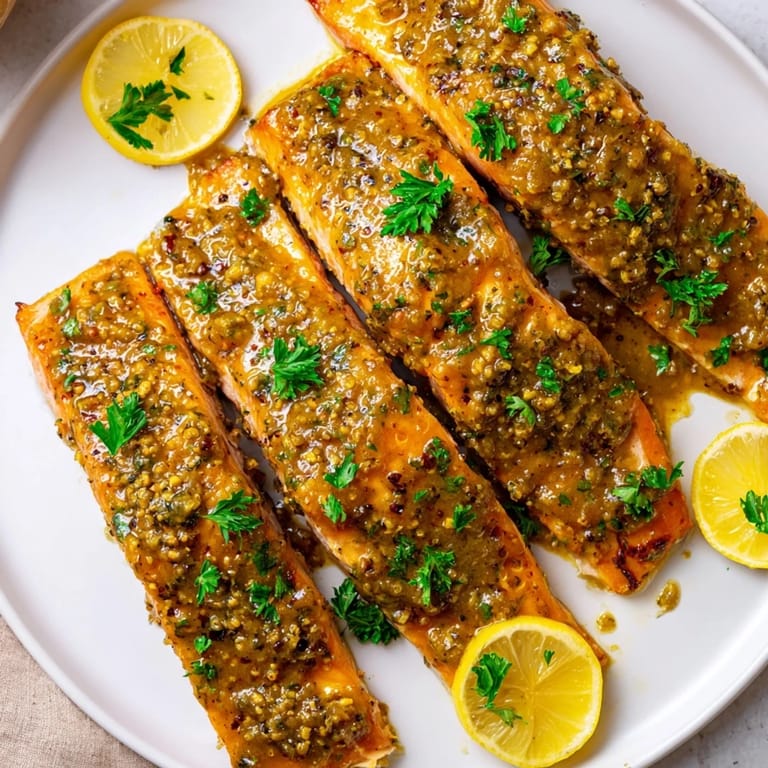
Save The first time I made honey mustard salmon, it was a Tuesday night when I'd promised to cook something special but had exactly thirty minutes before guests arrived. I grabbed a beautiful fillet from the fishmonger, mixed together what I had in the pantry—mustard, honey, garlic—and slid it into the oven. What came out was this golden, caramelized beauty with a sauce that somehow tasted both sophisticated and comforting. Now it's become my go-to when I want something that tastes like I spent hours in the kitchen but actually took hardly any time at all.
I made this for my sister's dinner party last spring, and what I remember most wasn't the compliments (though there were plenty) but watching her husband—who notoriously avoids fish—quietly eat every bite on his plate. He asked for the recipe that night. The kitchen smelled like toasted garlic and caramel by the time we sat down, and somehow that aroma made the whole meal feel more intentional than it actually was.
Ingredients
- Salmon fillets (4, about 6 oz each): Skin-on keeps things tender and adds nutrients, but skinless works just fine if that's what you prefer—just pat them completely dry or the sauce won't stick properly.
- Dijon mustard (3 tbsp): This is where the sophisticated flavor comes from; don't skip it or substitute with yellow mustard alone.
- Whole grain mustard (2 tbsp): These little seeds add texture and a rustic charm that makes the dish feel less fussy.
- Honey (3 tbsp): The sweet component that balances the mustard's punch and creates that caramelized coating.
- Olive oil (1 tbsp): Helps the sauce coat evenly and prevents sticking.
- Lemon juice (1 tbsp): A squeeze of brightness that keeps everything from feeling too heavy.
- Garlic (2 cloves, minced): Fresh garlic makes all the difference; jarred will taste flat by comparison.
- Salt and pepper (½ tsp and ¼ tsp): Season to taste—I often add a tiny pinch more because the honey can mask saltiness.
- Fresh parsley and lemon wedges for serving: These are optional but they make the plate look like you actually cared, which you did.
Tired of Takeout? 🥡
Get 10 meals you can make faster than delivery arrives. Seriously.
One email. No spam. Unsubscribe anytime.
Instructions
- Heat your oven and prep the pan:
- Get that oven to 400°F and line your baking sheet with parchment paper—it saves cleanup and prevents sticking. While it preheats, you've got time to do everything else.
- Mix the magic sauce:
- Whisk together the Dijon, whole grain mustard, honey, olive oil, lemon juice, minced garlic, salt, and pepper in a small bowl until it's smooth and combined. Taste it straight from the spoon—it should make you pause because it's that good on its own.
- Place and dry your salmon:
- Arrange those fillets on the prepared baking sheet and pat them completely dry with paper towels. This step matters because water is the enemy of a good glaze.
- Coat generously:
- Spoon the honey mustard sauce over each fillet, spreading it so every inch gets covered. Don't be shy here; this sauce is what makes the dish sing.
- Bake until golden:
- Slide it into the oven for fifteen to twenty minutes—you'll know it's done when the salmon flakes easily with a fork and looks opaque in the thickest part. The edges might get a little caramelized, and that's exactly what you want.
- Finish and serve:
- Pull it out, scatter fresh parsley on top if you're using it, and serve with lemon wedges so people can squeeze more brightness onto their plate if they want.
 Save
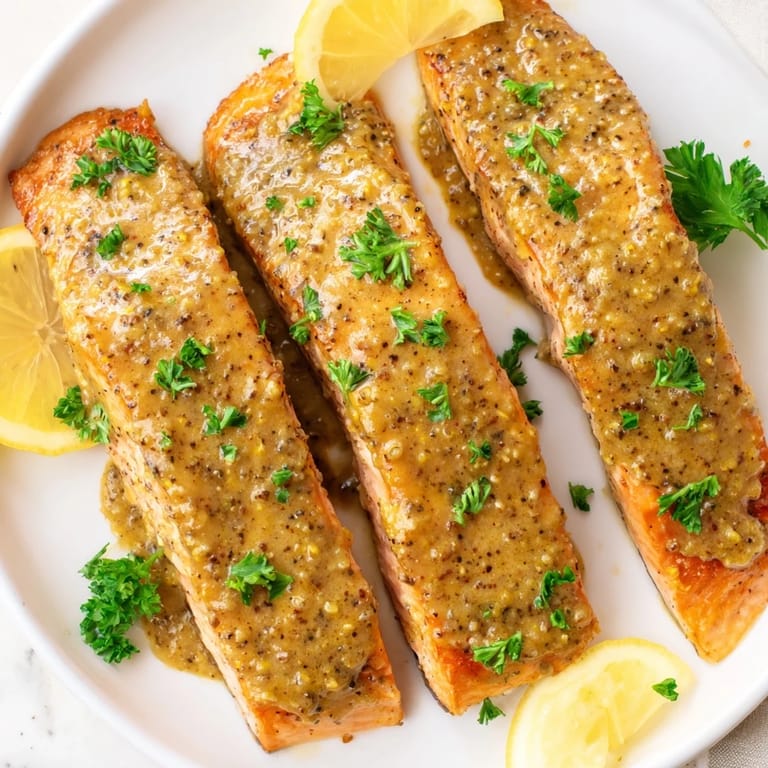
Save There was this moment during a quiet Thursday night when I made this for myself, not for anyone else, and I sat at the kitchen counter eating it straight from the baking sheet. That's when I realized good food doesn't need an audience to matter—it just needs to taste like someone cared, even if that someone is just you.
Why This Sauce Works So Well
The magic here is the balance—honey sweetens while mustard adds tang, and that tension between them is what your taste buds remember long after dinner's over. The whole grain mustard adds texture that makes it feel less like a coating and more like a proper glaze. Garlic brings depth without overpowering the fish, and lemon keeps everything bright.
What to Serve Alongside
I've served this with roasted asparagus, with a simple green salad, with rice, with roasted potatoes—and honestly, it works with all of them. The sauce is the star, so your sides just need to be something you enjoy. A crispy vegetable or a grain that soaks up any extra sauce on the plate rounds out the meal nicely.
Make It Your Own
Once you make this a few times, you'll start experimenting—maybe you'll add a touch of soy sauce for depth, or swap in maple syrup for the honey, or throw some fresh herbs into the sauce. The foundation is strong enough to support your creativity.
- For less intensity, use all yellow mustard instead of the Dijon and whole grain mix.
- A pinch of cayenne in the sauce adds a subtle heat if you're into that.
- If you only have time to make this on weeknights, batch the sauce on Sunday and you're halfway done.
 Save
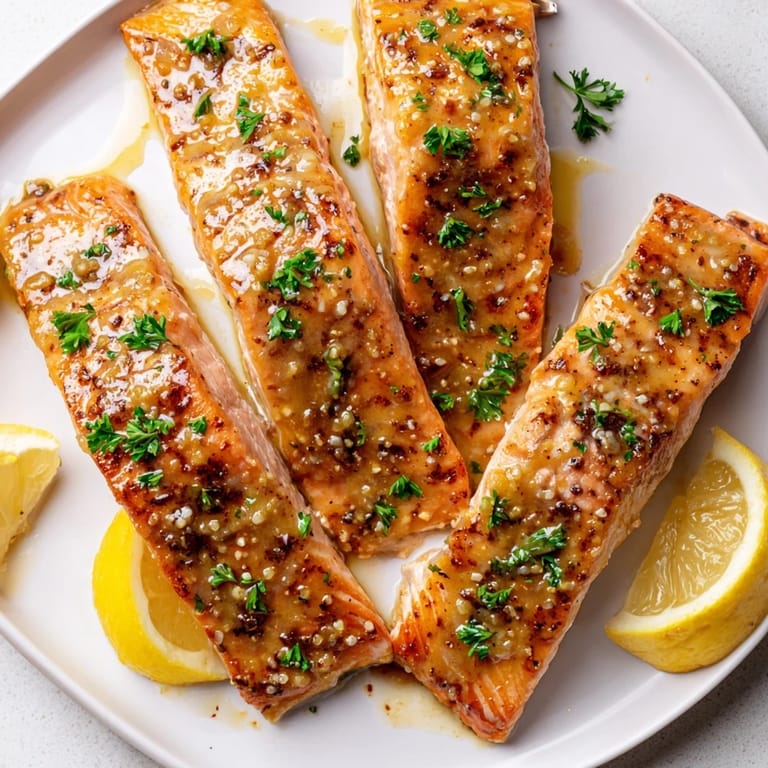
Save This salmon has become a quiet favorite in my rotation because it delivers every single time, with zero fuss. Make it once and you'll understand why it keeps making its way back onto my table.
Recipe Questions & Answers
- → What temperature should the oven be for baking the salmon?
Preheat the oven to 400°F (200°C) for optimal baking results.
- → How do I ensure the salmon is cooked perfectly?
Bake the fillets for 15–20 minutes until they flake easily with a fork and become opaque inside.
- → Can I use a different type of mustard in the sauce?
You can substitute Dijon mustard with regular yellow mustard for a milder, less tangy flavor.
- → Is it possible to add a caramelized finish to the salmon?
For extra caramelization, broil the salmon for the last 2 minutes of baking.
- → What sides pair well with honey mustard salmon?
Serve with rice, quinoa, roasted vegetables, or a fresh salad to complement the bold flavors.
- → Are there any allergens I should be aware of?
This dish contains fish and mustard; check mustard ingredients for sulfites if concerned.