 Save
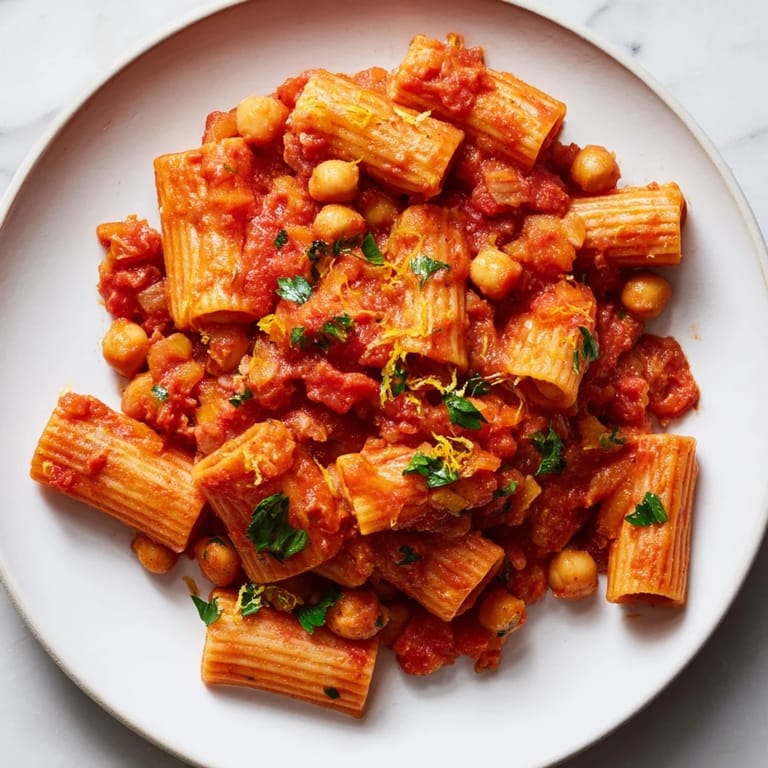
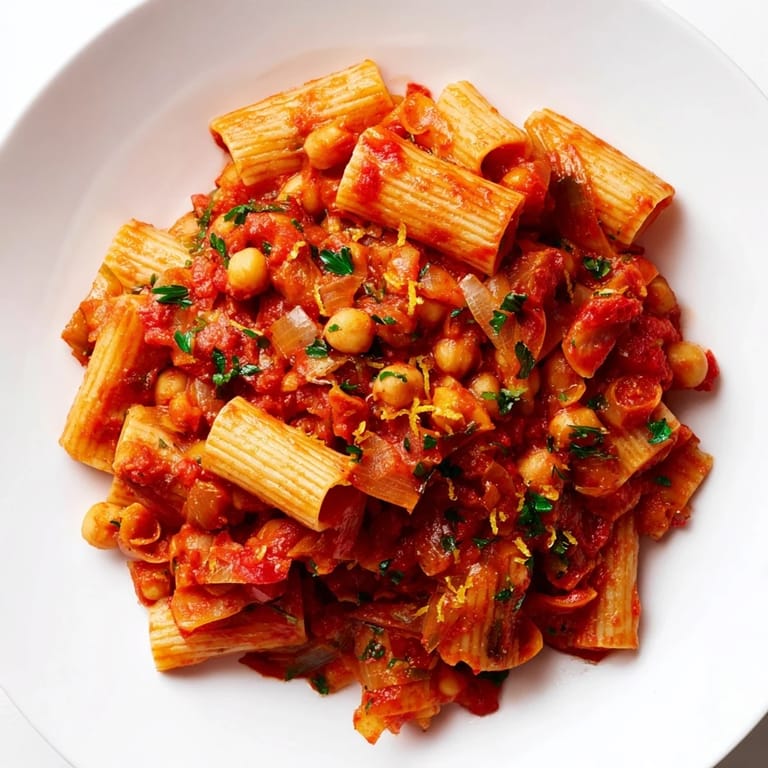
Save I discovered harissa pasta by accident on a Wednesday evening when my usual pantry staples had dwindled to chickpeas, a jar of harissa, and some dried penne. What started as improvisation became something I'd crave weeks later—that perfect balance of smoky heat and bright lemon juice that makes your mouth tingle in the best way. The chickpeas turned creamy against the spiced tomato sauce, and suddenly I understood why this combination shows up in so many Mediterranean kitchens. Now I make it when I need something quick but feel like I'm cooking something special.
I made this for my friend Marco last spring when he mentioned craving something warm but not heavy. He took one bite and went quiet in that way that means the food is hitting different, then asked for seconds before finishing his first plate. That's when I realized this dish has this sneaky thing going on—it feels indulgent and spicy but leaves you satisfied, not stuffed. It became his go-to request every time he'd swing by, and eventually it became mine too.
Ingredients
- Dried short pasta (350 g): Penne, rigatoni, or fusilli all work beautifully because they trap the sauce in their ridges; reserve some pasta water because it's your secret weapon for adjusting consistency.
- Harissa paste (2 tbsp): This North African staple brings smokiness and heat that you can't replicate with regular spices; adjust based on how spicy your brand runs—some are mellower than others.
- Olive oil (2 tbsp): Use something you actually like tasting because it's not being cooked away; it carries flavor from here to your mouth.
- Onion and garlic: The onion sweetens as it softens and becomes almost caramel-y, which balances the harissa's edge.
- Ground cumin and smoked paprika (1 tsp and 1/2 tsp): These warm spices layer underneath the harissa rather than fight it, creating depth that single-spice dishes miss.
- Canned diced tomatoes and chickpeas (1 can each, 400 g): Canned means no prep stress and honest flavor; rinse the chickpeas to reduce any metallic taste.
- Vegetable broth or water (1/2 cup): This loosens the sauce and lets the spices bloom without drying everything out.
- Lemon zest and juice (from 1 lemon): The citrus hits at the very end and wakes up every flavor you've built; it's non-negotiable.
- Fresh parsley or cilantro (2 tbsp chopped): Add brightness and cut through the richness with their herbaceous punch.
- Optional feta cheese: It melts slightly into warm sauce and adds a salty, creamy contrast to the spice.
Tired of Takeout? 🥡
Get 10 meals you can make faster than delivery arrives. Seriously.
One email. No spam. Unsubscribe anytime.
Instructions
- Salt your pasta water generously and get it boiling:
- This is where seasoning actually happens; unsalted water will make bland pasta no matter what sauce you build. While it heats, you've got time for everything else.
- Cook pasta to al dente and save the water:
- Slightly underdone pasta will finish cooking when you toss it with the warm sauce. That starchy pasta water isn't waste—it's the thing that binds sauce to pasta.
- Start the sauce base with onions:
- Heat oil over medium and let the onion go soft and golden, about 4–5 minutes; rushing this step means you miss the natural sweetness that rounds out harissa's heat.
- Bloom the spices in the hot oil:
- Add garlic, harissa, cumin, and paprika and stir constantly for about 1 minute; you want to smell it toasting, not burning—that's your signal that the spice oils are waking up.
- Build the sauce with tomatoes and chickpeas:
- Stir in the diced tomatoes with their juice and the drained chickpeas along with broth, then season with salt and pepper. Bring it to a gentle simmer and cover.
- Let it bubble quietly for 10–12 minutes:
- This isn't about cooking the chickpeas longer; it's about letting the flavors marry and the sauce thicken slightly. Stir occasionally so nothing sticks.
- Combine pasta and sauce, adjusting consistency:
- Toss the drained pasta right into the skillet with the sauce, adding splashes of reserved pasta water until it moves like it should—saucy but not soupy. Coat everything evenly.
- Finish with lemon and fresh herbs off the heat:
- Stir in the lemon zest, juice, and herbs after you turn off the flame; you want them bright and fresh, not cooked into invisibility.
 Save
Save The first time someone told me they'd made this without the pasta—just spooning the chickpea sauce over toast—I almost disagreed with them, then I tried it that way and understood. There's something about this sauce that transcends what you serve it with, but when it meets that tender pasta, they become better together than separately.
The Spice Story
Harissa gets intimidating because it looks angry in the jar, but it's really a seasoning that wants to work *with* other flavors, not dominate them. Pairing it with gentle cumin and sweet paprika instead of other aggressive spices keeps it balanced. The tomatoes act like a cooling blanket around the heat, and the lemon juice at the end resets your palate so each bite tastes different from the last. I've learned that spice doesn't have to mean pain—it can mean depth, complexity, and flavor that lingers pleasantly.
Variations That Actually Work
Once you've made this once or twice, you know the formula well enough to play with it. Some nights I'll add roasted red peppers or zucchini right when the sauce is simmering; other times I'll use white beans or even lentils instead of chickpeas because they're sitting in my pantry. The sauce base is flexible enough to carry different vegetables without falling apart, and that flexibility is kind of the whole point.
Serving and Pairing
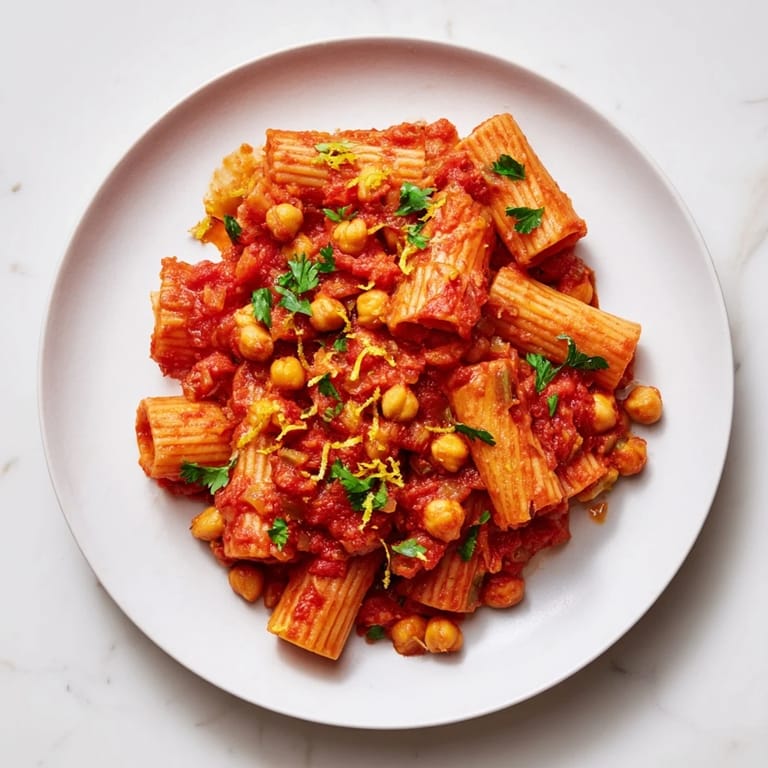
This dish doesn't need much beyond what's on the plate, but a crisp white wine or chilled rosé cuts through the richness beautifully if you're in a drinking mood. A simple green salad on the side keeps things fresh, or you can serve it as is and let the lemon and herbs do the lightening work. I've also spooned it over creamy hummus or served it alongside flatbread when I'm feeding people and want them to have options.
- Make it ahead of time and reheat gently; the flavors actually improve overnight as everything gets to know each other.
- Leftovers stay good in the fridge for three or four days and taste even better the second day.
- If you're cooking for someone with a gluten issue, swap the pasta for a gluten-free shape and no one will notice the difference.
 Save
Save This recipe taught me that the quickest meals can still feel nourishing and thoughtful. Every time I make it, I remember why I stopped overthinking dinner and started trusting simple, good ingredients to do the work.
Recipe Questions & Answers
- → Can I adjust the spiciness of the sauce?
Yes, increasing or reducing the amount of harissa paste controls the heat level. Adding a pinch of chili flakes can boost spice further.
- → What pasta types work best for this dish?
Short pasta such as penne, rigatoni, or fusilli hold the sauce well and complement the chickpeas perfectly.
- → How can I make this dish dairy-free?
Simply omit the optional crumbled feta cheese to keep it dairy-free without losing flavor.
- → Is there a good substitution for chickpeas?
White beans or roasted vegetables can be used as alternatives to chickpeas for different textures and flavors.
- → How do I prevent the sauce from becoming too thick?
Reserve some pasta cooking water and add a splash to loosen the sauce to your preferred consistency.