 Save
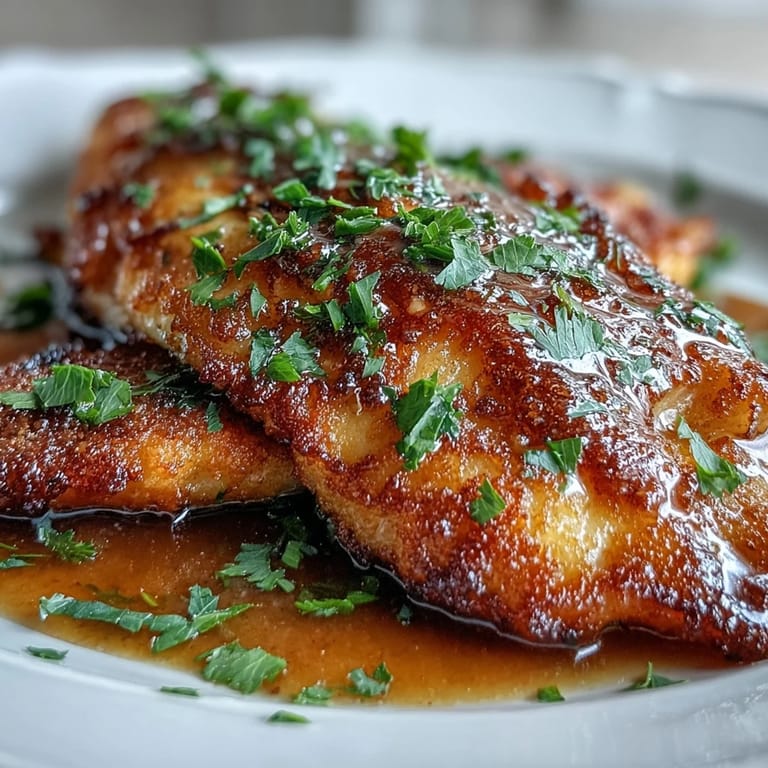
Save My grandmother kept a small copper pan hanging above her stove in Paris, and I'd watch her move through flounder meunière with the kind of ease that made it look effortless—until I tried it myself and realized there's actual magic in the timing. The first time I nailed it, the butter foamed just right, the fish turned golden in what felt like a heartbeat, and that nutty brown butter sauce brought everything into focus. It's the kind of dish that taught me cooking doesn't need to be complicated to feel elegant.
Years ago, I made this for someone who said they didn't really like fish, and watching them go quiet mid-bite—then ask for the recipe—changed how I thought about cooking. It's not pretentious, even though it looks like it might be. It's just fish treated with respect and a little French kindness.
Ingredients
- Flounder fillets (4, about 150 g each): Delicate and mild, flounder surrenders to heat quickly, so don't walk away once they hit the pan—this fish forgives nothing but inattention.
- Kosher salt and freshly ground black pepper: Season generously before dredging; timid seasoning makes even good fish taste like it's hiding something.
- All-purpose flour (1/2 cup): The flour creates a delicate, crispy exterior that holds the heat while keeping the inside tender and sweet.
- Unsalted butter (7 tablespoons total): Separate this into two amounts mentally—some for cooking the fish, some for the sauce that makes everything worth doing.
- Olive oil (2 tablespoons): Mix this with butter to raise the smoke point and prevent the fat from burning while you're learning the rhythm of the pan.
- Lemon juice (about 2 tablespoons): Fresh lemon is non-negotiable; bottled juice tastes like a apology, and this dish deserves sincerity.
- Fresh flat-leaf parsley (2 tablespoons, chopped): The final flourish that adds color and a whisper of green herbaceousness to the rich brown butter.
- Lemon wedges (for serving): Keep these nearby so people can adjust the brightness themselves—some prefer more, some less, and that's the whole point.
Tired of Takeout? 🥡
Get 10 meals you can make faster than delivery arrives. Seriously.
One email. No spam. Unsubscribe anytime.
Instructions
- Dry the fish with intention:
- Pat each flounder fillet carefully with paper towels until they're completely dry—moisture is the enemy of browning, and a golden crust is where the flavor lives. This small step makes the difference between fish that sizzles and fish that steams.
- Season both sides generously:
- Sprinkle salt and pepper on each side of the fillet, pressing gently so it adheres. Don't skip either side; the seasoning should be visible and confident.
- Dredge with a light hand:
- Place flour on a shallow plate and press each fillet into it gently, coating both sides, then shake off the excess over the plate. You want a thin, even coating that looks almost invisible—not a flour-crusted brick.
- Heat the butter and oil until it's foamy and ready:
- Combine 2 tablespoons butter and the olive oil in a large nonstick skillet over medium-high heat and wait until the butter starts foaming and smells warm and inviting. This is the moment you've been waiting for; jump in now.
- Cook the fish with patience and no fiddling:
- Lay the fillets in the hot fat and leave them alone for 2 to 3 minutes, until the underside turns golden and wants to release itself from the pan. Flip gently once and cook the other side the same way, then transfer to a warm platter while you make the sauce.
- Brown the butter slowly and watch it like a child:
- Wipe out the skillet, add the remaining 4 tablespoons of butter over medium heat, and listen as it foams, then watch as it transforms from pale gold to amber to that nutty, caramelized brown. This takes 2 to 3 minutes and requires your full attention; the moment it smells like hazelnuts and toast, remove it from heat.
- Finish with brightness and speed:
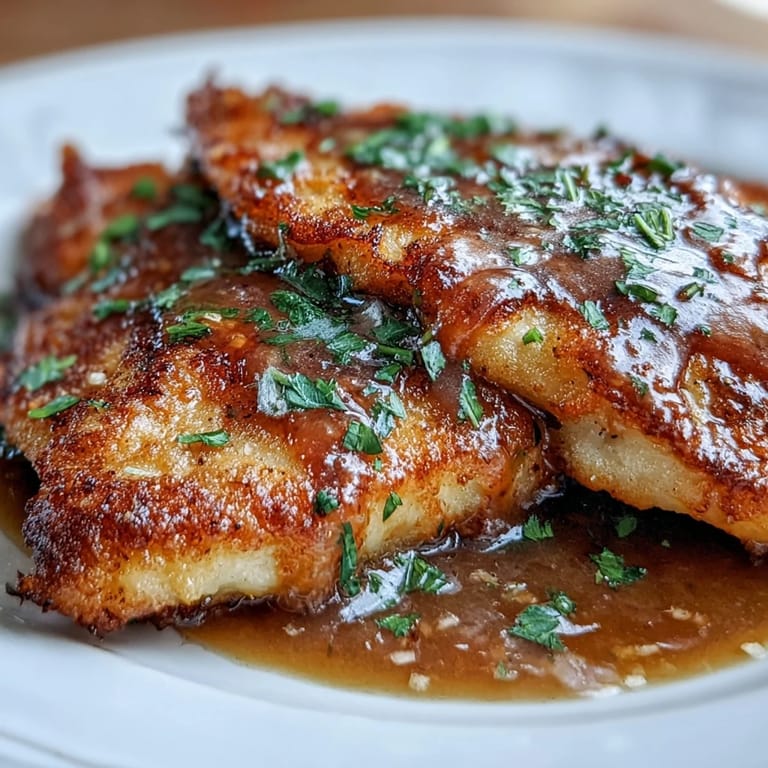
- Remove the skillet from heat immediately and stir in the lemon juice and parsley, watching it all come together in one aromatic breath. Spoon this amber, fragrant sauce over the fish right away, serving it immediately so nothing cools down.
 Save
Save The last time I made this, my daughter asked why it tasted like butter and lemon but also like something deeper, and I realized she was tasting the browning—the moment when fat transforms into flavor. That's when this dish stopped being just dinner and became the thing I reach for when I want to feel like I know what I'm doing in the kitchen.
Variations and Substitutes
Dover sole is the traditional stand-in if flounder eludes you, and honestly, it's magnificent here—slightly firmer, equally elegant. Tilapia works too if you're budget-conscious, though it lacks the delicate sweetness that makes flounder sing. For richness, some cooks add a splash of white wine to the brown butter before the lemon hits it, which creates a sauce that's silkier and more wine-bar than home kitchen, but gloriously so.
What to Serve Alongside
Steamed green beans or roasted potatoes are the expected companions, but I've found that anything neutral and simple lets the flounder stay the star—rice, crusty bread for soaking up the sauce, or even just a sharp salad to cut through the richness. The plate should feel balanced, not crowded; this is a dish about restraint and letting each component breathe.
The Science of Brown Butter
Brown butter isn't just melted butter with color—it's butter where the milk solids have toasted, creating hundreds of new flavors that don't exist in the raw fat. The transformation is irreversible and quick, which is why timing here matters more than technique. When you understand this, you stop being afraid of that skillet and start listening to what it's trying to tell you.
- The deeper golden it gets without turning dark brown, the more complex and nutty the flavor becomes.
- If you miss the window and it turns dark or smells acrid, start over rather than salvage it—a burned sauce ruins the whole dish.
- Once you master brown butter here, you'll find yourself making it for vegetables, pasta, and anything that whispers for something richer than olive oil.
 Save
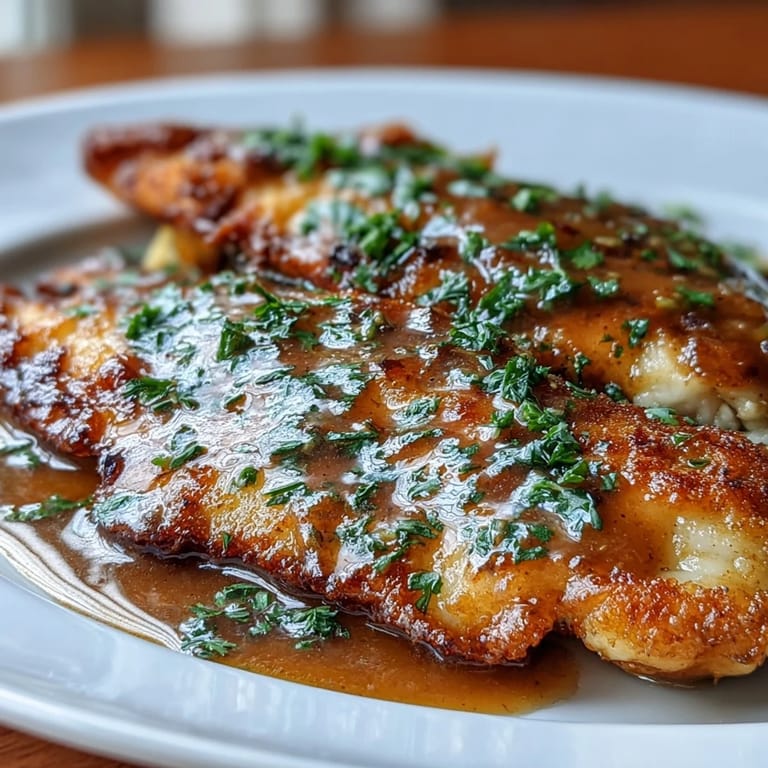
Save This dish is a reminder that elegance doesn't require complexity, just focus and the courage to let good ingredients speak. Serve it with confidence, and watch people rediscover why French food earned its reputation.
Recipe Questions & Answers
- → What makes meunière different from other pan-fried fish?
The meunière technique involves a light flour coating followed by a finish with browned butter and lemon. The flour creates a delicate crust while protecting the fish, and the browned butter (beurre noisette) adds a rich, nutty flavor that distinguishes it from simple pan-frying.
- → Can I use other types of fish?
Absolutely. Dover sole, tilapia, trout, or any mild white fish with delicate flakes works beautifully. Choose fillets of similar thickness for even cooking. Adjust cooking time slightly for thicker cuts.
- → How do I know when the butter is properly browned?
Watch for the butter to turn golden-amber and smell distinctly nutty. White milk solids will separate and brown at the bottom of the pan. This takes 2-3 minutes—don't walk away, as it can burn quickly. Remove from heat immediately when you see that golden color.
- → Why must I cook in batches?
Crowding the pan lowers the temperature rapidly, causing fish to steam rather than fry. This prevents proper browning and makes the coating soggy. Work in two batches if needed, keeping cooked fillets warm in a low oven.
- → What sides complement this dish?
Steamed green beans with almonds, roasted potatoes, or a simple arugula salad with vinaigrette balance the richness beautifully. Rice pilaf or crusty bread to soak up extra sauce are also excellent choices.
- → Can I make this gluten-free?
Yes. Substitute rice flour, almond flour, or a gluten-free flour blend for the all-purpose flour. The dredging technique remains the same, though the texture may vary slightly. Rice flour creates a particularly light, crisp coating.