 Save
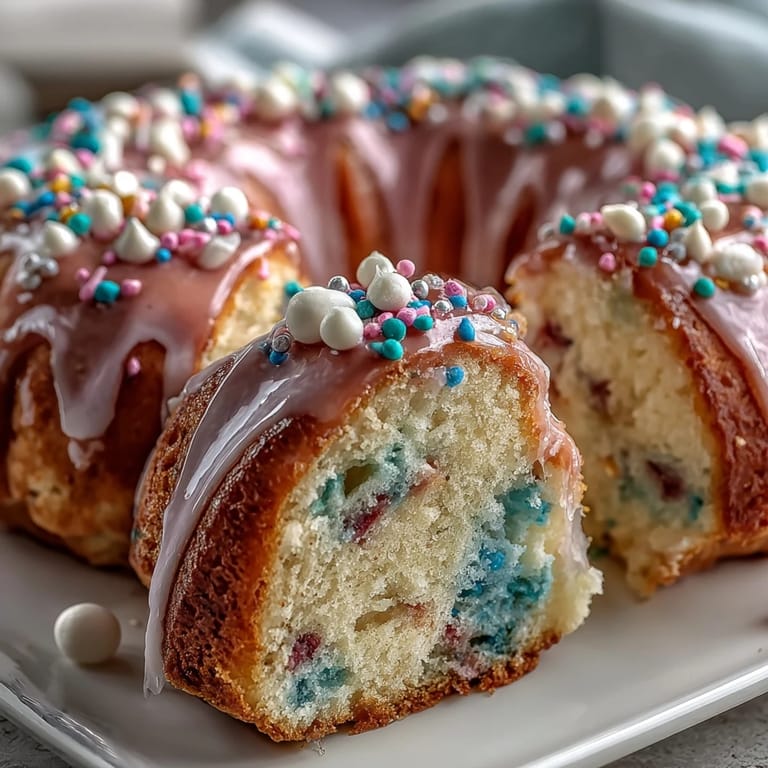
Save My neighbor knocked on the door one April morning with a box of pastel sprinkles she'd accidentally bought two of, and somehow that simple gesture sparked the idea for this cake. There's something about spring that makes you want to bake something that actually looks like the season—cheerful, a little whimsical, unapologetically colorful. This Funfetti cake became my answer to that feeling, a vanilla base studded with rainbow jimmies and crowned with buttercream tinted in the softest pastels imaginable. It's the kind of dessert that makes people smile before they even taste it, which is honestly half the battle.
I made this for my daughter's class party and watched a kid who claimed he didn't like vanilla cake go back for seconds, then thirds. His mom asked for the recipe before they left, and I realized then that this cake doesn't need anything fancy or complicated to make people happy—just good butter, fresh eggs, and the simple joy of those colorful sprinkles mixed throughout.
Ingredients
- All-purpose flour: The foundation—measure by weight if you can, because spooning and leveling often packs flour denser than intended.
- Baking powder and baking soda: Work together to create lift and tender crumb; don't skip the baking soda or the cake will feel heavy.
- Unsalted butter and sugar: Room temperature is not just a suggestion—cold butter won't cream properly, and you'll end up with a denser cake.
- Eggs: Also bring them to room temperature; they emulsify better and create a lighter batter.
- Vanilla extract: Use pure, not imitation—it makes a noticeable difference in the final flavor.
- Milk and sour cream: The combination creates moisture and slight tang that keeps the crumb soft for days.
- Rainbow sprinkles (jimmies): Buy quality sprinkles because cheaper ones sometimes bleed color into the batter; jimmies are the longer, thinner kind that distribute beautifully.
- Butter for buttercream: Again, room temperature—cold butter won't fluff up no matter how long you beat it.
- Powdered sugar: Sift it before adding or you'll end up with lumps that no amount of beating will break down.
- Food coloring gels: Gel colors are more concentrated than liquid, so you need less and won't thin out your buttercream.
Tired of Takeout? 🥡
Get 10 meals you can make faster than delivery arrives. Seriously.
One email. No spam. Unsubscribe anytime.
Instructions
- Get your oven ready and prep your pans:
- Preheat to 350°F and line two 9-inch round pans with parchment paper—this matters because even greased pans sometimes stick. You want that cake to come out cleanly so you can stack and frost it later.
- Combine your dry ingredients:
- Whisk flour, baking powder, baking soda, and salt together in a bowl; this distributes the leavening evenly so you don't get random pockets of dense cake. Set this bowl aside.
- Cream butter and sugar until light and fluffy:
- This takes about 3 minutes and sounds simple, but don't rush it—you're literally aerating the butter, which creates tiny air pockets that expand during baking and make the cake tender. You'll see the mixture go from grainy and pale to almost mousse-like.
- Add eggs one at a time:
- Each egg should be fully incorporated before you add the next one; this takes a minute between each egg, but it prevents the batter from looking curdled or separated. Beat well after each addition.
- Mix in vanilla:
- A quick stir is all you need here; vanilla is already dissolved so you're not building anything, just incorporating flavor.
- Whisk milk and sour cream together:
- These should be combined before you add them to the batter; it ensures even distribution of moisture.
- Alternate wet and dry ingredients:
- Start with flour, then milk mixture, then flour again—this prevents overmixing and keeps the batter tender. Stir until just combined; lumps are okay, overmixed gluten is not.
- Fold in sprinkles gently:
- Use a rubber spatula and fold by hand rather than beating; this prevents the jimmies from breaking apart and bleeding color. You want those little colored bits to stay intact throughout the cake.
- Divide batter and bake:
- Pour evenly into prepared pans, smooth the tops, and bake 28–32 minutes until a toothpick comes out clean. Start checking at 28 minutes because ovens vary, and overbaking dries out vanilla cake.
- Cool and unmold:
- Let cakes rest in pans for 10 minutes, then turn them out onto racks; this 10-minute wait prevents them from breaking apart while still warm. Cool completely before frosting or they'll melt the buttercream.
- Beat butter for buttercream until smooth:
- About 2 minutes should do it; you're starting fresh with creamy butter that will accept the sugar. This is the base of your frosting, so don't skip the beating.
- Add powdered sugar gradually:
- Mix on low speed first or you'll create a powdered sugar explosion in your kitchen; once it's incorporated, turn up the speed to combine fully.
- Add milk, vanilla, and salt:
- These ingredients loosen the buttercream to the right consistency and add flavor; beat on high for 2–3 minutes until it's light and fluffy, almost doubled in volume.
- Divide and tint with pastel colors:
- Split buttercream into 4 bowls and add just a tiny amount of gel color to each—pastel means subtle, so start with less than you think you need. You can always add more, but you can't remove it.
- Decorate and serve:
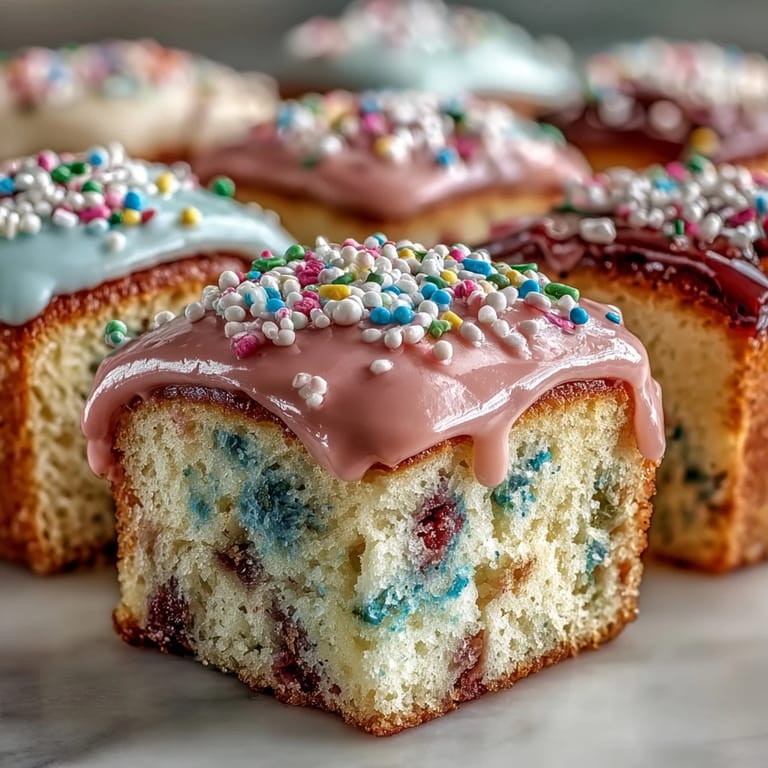
- Layer and frost the cooled cakes with your colored buttercream, swirling the pastel shades together for a dreamy, marbled effect. This is where the cake goes from delicious to absolutely show-stopping.
 Save
Save There's a moment near the end of frosting when you see that pastel buttercream swirled across the cake layers, and suddenly it stops being just another dessert—it becomes something you made with your own hands that people will actually remember. That's what this cake is about, for me anyway.
Why Vanilla Matters Here
Vanilla is the hero of this cake because it provides a blank canvas for the visual celebration you're creating. When you're working with rainbow sprinkles and pastel frosting, a bold flavor would fight with all that color; vanilla lets the fun be about what people see, not what overpowers their taste buds. Pure vanilla extract makes a genuine difference—imitation has a slightly bitter edge that becomes obvious when it's the main flavor note.
The Science of Sour Cream
Sour cream does two things in this cake that buttermilk alone doesn't: the fat content makes it richer and more tender, and the acidity reacts with the baking soda to create extra lift. That's why the crumb stays soft for three or four days instead of drying out by day two. I learned this the hard way by making the cake without it once and ending up with something that felt a bit too delicate, almost too cake-y for lack of a better word.
Decorating and Serving Ideas
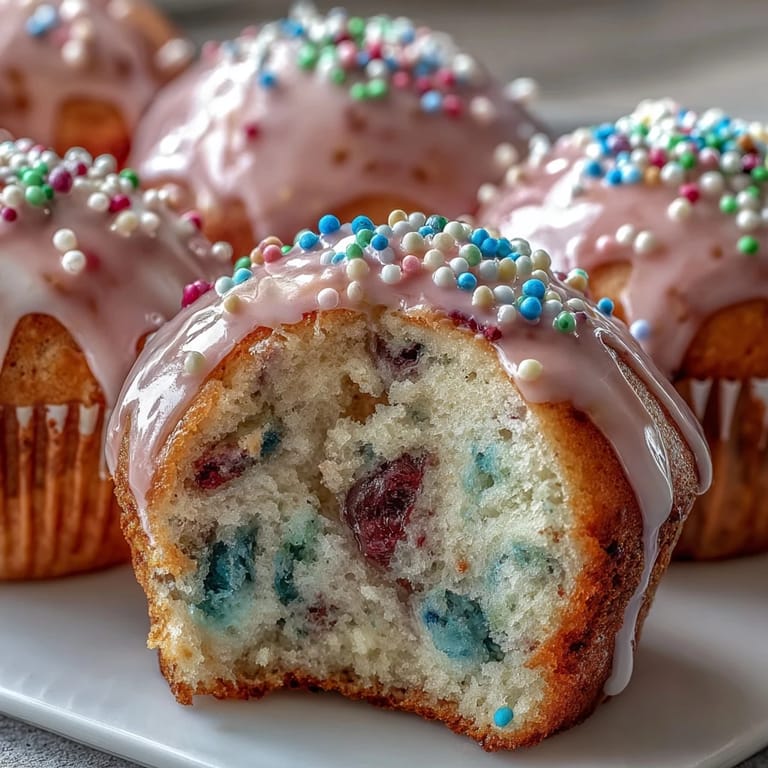
The beauty of this cake is how flexible it is—you can frost it as a traditional layer cake, use it for cupcakes (bake 22–24 minutes), or even crumble and use it as a base for a trifle with whipped cream and fresh berries. Pastel food coloring gels let you create any color combination your event calls for, and honestly, sometimes less is more—a two-color swirl can be just as impactful as four colors competing for attention.
- Pair this with sparkling Moscato, lemonade, or even a delicate herbal tea to let the vanilla and sprinkles shine.
- Cupcakes decorated with individual piped buttercream swirls make adorable party favors or gifts.
- If you need to make this ahead, bake the layers a day early and frost just before serving for the freshest buttercream texture.
 Save
Save This cake somehow manages to feel both special and approachable, which makes it perfect for the moments when you want to celebrate but don't want to spend all day in the kitchen. Bake it with joy and watch it become someone's favorite memory of spring.
Recipe Questions & Answers
- → What type of sprinkles are best for this cake?
Use jimmies for the sprinkles, as they hold their shape and color well during baking, avoiding bleeding into the batter.
- → Can I substitute sour cream in the batter?
Yes, Greek yogurt can be used as a substitute to maintain moisture and tenderness in the cake.
- → How do I achieve the pastel colors in the buttercream?
Divide the buttercream and tint each portion with small amounts of food coloring gels in pastel pink, blue, yellow, and purple for soft, delicate hues.
- → What baking pans are recommended?
Two 9-inch round cake pans lined with parchment paper help ensure even baking and easy release.
- → How can I tell when the cake is fully baked?
A clean toothpick inserted into the center of the cake indicates doneness, typically after 28–32 minutes of baking at 350°F.