 Save
Save The tangy scent of lemon and the soft, floral whisper of lavender drifted through my kitchen the morning I first baked this loaf, leaving a sunny calm in the air. I’d grabbed a jar of culinary lavender on a whim from a local market, not entirely sure what to do with it—until the thought of pairing it with lemon struck. This cake became my gentle foray into infusing baked treats with flowers, unexpectedly simple and truly show-stopping. The bright, zesty glaze was a last-minute addition born of a cupboard honey jar begging to be used. Now, every time I prepare this loaf, it feels like inviting a breath of early spring indoors.
I remember bringing this cake out for a tea with friends, the room bubbling with laughter as the sun dipped outside. Pouring the glaze over the cooling loaf, my friend Julia absentmindedly trailed her finger through a drip, giggling at how sticky-sweet and floral it tasted. The loaf was polished off before sunset, and someone still texts me every spring asking for "the lemony lavender cake recipe." No dessert has left such a gentle impression on such a rowdy afternoon.
Ingredients
- All-purpose flour: Using standard flour gives the loaf a tender crumb; be sure to measure it accurately for the softest result.
- Baking powder and baking soda: This combo creates a balanced lift—double-check that they’re fresh for the fluffiest texture.
- Salt: Just a hint sharpens both the lemon and the lavender so they don’t taste muddy.
- Culinary dried lavender buds: Choose food-grade lavender and crush the buds lightly to release their aroma without overpowering the cake.
- Lemon zest: Grate directly over the mixing bowl so the flavorful oils find their way into the batter.
- Unsalted butter: Room temperature is non-negotiable here; it’s key for that tender, creamed base.
- Granulated sugar: Sugar helps everything blend and balances the tartness of the lemons.
- Large eggs: Letting eggs reach room temperature means a smoother, more stable batter—no curdling.
- Greek yogurt or sour cream: The tang and moisture from either ingredient keep the loaf velvety and never dry.
- Whole milk: Adds richness, especially if you infuse it with lavender for extra floral depth.
- Fresh lemon juice: Nothing beats the blast of acidity from freshly squeezed juice in both batter and glaze.
- Pure vanilla extract: Just a dash rounds off the floral and citrus notes perfectly.
- Powdered sugar: Sifting makes the glaze lump-free and dreamy to drizzle.
- Honey: Choose a light, floral honey for the best match—too strong and it’ll overpower the lemon.
Tired of Takeout? 🥡
Get 10 meals you can make faster than delivery arrives. Seriously.
One email. No spam. Unsubscribe anytime.
Instructions
- Get Ready:
- Set your oven to 350F (175C) and line a 9x5-inch loaf pan, enjoying the satisfying snap of parchment into place.
- Mix Dry Ingredients:
- Inhale deeply as you whisk flour, baking powder, baking soda, salt, lavender, and zest together—the citrus and flowers tumble into the air.
- Cream Butter and Sugar:
- Beat butter and sugar until pale and pillowy, letting the mixer do the heavy lifting while you sneak a taste of the fluffy mix.
- Add Eggs:
- Crack in the eggs one by one, blending after each to keep everything silky and bright.
- Combine Wet Ingredients:
- Add yogurt, milk, lemon juice, and vanilla, stirring in gently—the batter might look a bit split but don’t worry, it comes together.
- Fold in Dry Mix:
- Tip in the flour mixture, gently folding just until the batter is streak-free; I always stop as soon as the last bit disappears.
- Bake:
- Spoon the thick batter into your pan, smoothing gently, and slide it into the oven—your kitchen will soon smell like a florist’s shop at lemon harvest.
- Cool Down:
- Once a toothpick comes out clean after 45–50 minutes, let the loaf cool in its tin, then lift it onto a rack for a final rest.
- Glaze and Serve:
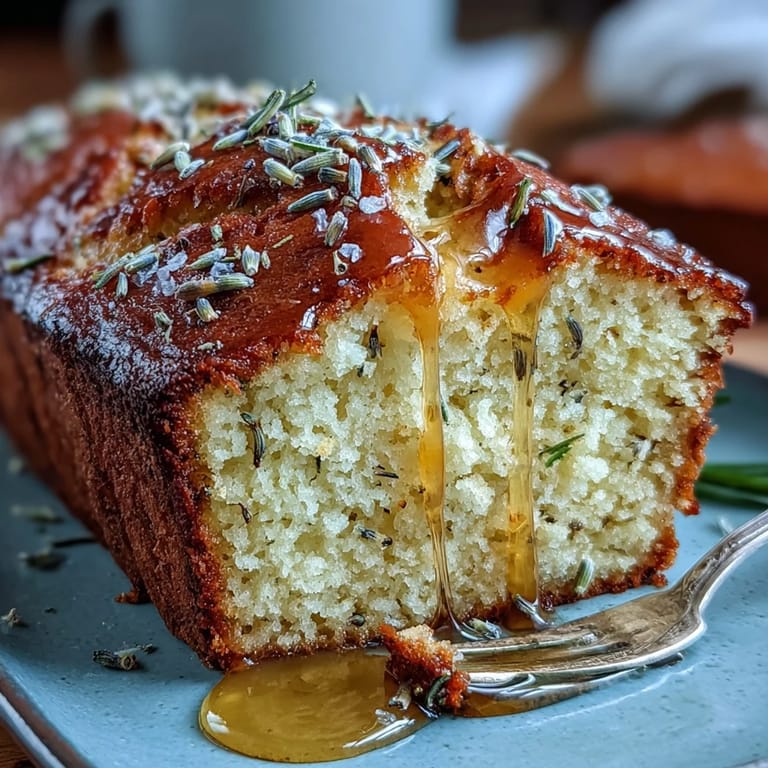
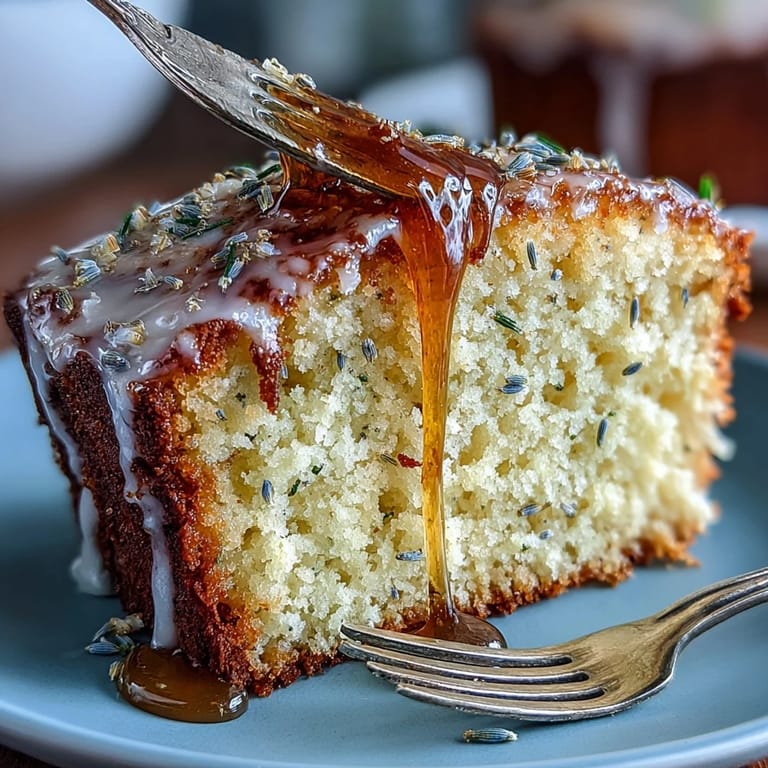
- Whisk powdered sugar, honey, and lemon juice, then drizzle the glaze deliberately over the cool loaf, letting it pool for a shiny, fragrant finish before slicing.
 Save
Save When I made this loaf for a quiet Sunday breakfast, my partner wandered into the kitchen half-awake and asked if I'd lit a special candle. We shared thick slices with our coffee, both surprised at how simply lavender could turn a kitchen into a morning retreat. That day, the cake was more than food—it felt like a small celebration in the thick of an ordinary week.
When Glaze Goes a Little Wild
I’ll admit I was nervous drizzling the glaze the first time, worried it would pool awkwardly. But a few drips down the side only made the loaf look more inviting, and those sticky edges became everyone’s favorite part to pick at. If your glaze is too runny, just sift in a bit more powdered sugar and trust the process—imperfection tastes wonderful.
Choosing and Storing Lavender
Culinary lavender can be subtle or bold, so taste it before you add and adjust to your liking. I store my lavender buds in a small glass jar away from strong spices, after a run-in with a rogue jar of cumin. A little truly goes a long way—your next batch of cake or even shortbread will be waiting for a spoonful.
How to Jazz Up Leftovers
If you’re lucky enough to have leftover slices, try toasting a piece very lightly and enjoying it with a smear of ricotta or a spoonful of lemon curd for breakfast. The flavor deepens overnight and becomes almost tea-cakey. You might even find it pairs brilliantly with a late-night herbal tea.
- Wrap leftover loaf in parchment to keep it from drying out.
- Add extra lemon zest to the glaze for even more zing.
- Don’t skip letting the glaze set—it makes slicing clean and easy.
 Save
Save Baking this loaf always feels like a little act of kindness for myself or whoever walks through my door. With every slice, it’s as if spring is just within reach—no matter the season.
Recipe Questions & Answers
- → How do I use culinary lavender without it tasting so strong?
Measure lavender buds carefully—about 1 tablespoon is enough. Gently crush buds before adding to dry ingredients to release aroma without bitterness. Alternatively, steep lavender briefly in warm milk and strain to extract floral notes more subtly.
- → Can I infuse the milk with lavender? How long should I steep?
Yes. Warm the milk with lavender just until fragrant, around 5–10 minutes off the boil, then let steep for 10–15 minutes. Strain well to remove buds and avoid oversteeping, which can create a soapy or bitter edge.
- → What’s the best way to test for doneness?
Insert a toothpick or thin skewer into the center; it should come out clean or with a few moist crumbs, but not raw batter. The top should be golden and spring back slightly when touched. If the surface browns too quickly, tent with foil and continue baking.
- → How should I store the loaf to keep it moist?
Once glazed and cooled, store the loaf tightly wrapped at room temperature for up to 2 days, or refrigerate in an airtight container for up to 5 days. Bring to room temperature before serving to restore softness.
- → Can I substitute ingredients for dietary needs?
For a dairy swap, use a plant-based yogurt and non-dairy milk; for egg alternatives, try commercial egg replacers or a flax-egg, though texture will vary. For gluten-free, use a 1:1 gluten-free flour blend and check for similar absorption.
- → How can I prevent the loaf from becoming dense or dry?
Avoid overmixing once the dry ingredients are added; fold until just combined. Ensure fats and eggs are at room temperature for proper emulsification, and measure flour by spooning into the cup and leveling to prevent excess.