 Save
Save Sometimes, baking feels less like a science and more like painting with flavors; that's exactly what happened the first time I set out to create this Taurus Cake. The scent of brown sugar bubbling on the stove was so inviting, I nearly forgot to watch the butter—thank goodness for the kitchen timer. The cake’s earthy tones come not just from color but the surprising depth in every bite. Swirling the natural colors into the buttercream, I could almost smell a blooming spring garden in my own kitchen. No two cakes ever look quite alike, and that’s part of the fun.
One rainy afternoon, I baked this for a close friend’s birthday, filling the kitchen with the smell of sugar and the sound of laughter as we debated which edible flowers looked prettiest. The final touch of gold dust felt a bit over the top, but seeing everyone’s faces light up when I sliced it was worth every extra minute. That day, cake and good company became almost inseparable.
Ingredients
- All-purpose flour: This creates a stable, tender crumb; I always sift it for the lightest layers.
- Baking powder and baking soda: They give the cake just enough lift, making each slice soft but not crumbly.
- Fine salt: A pinch sharpens every flavor; I learned not to skip it, even in sweets.
- Unsalted butter: Soft butter means creamier batter and fluffier buttercream—leave it out before you start.
- Packed brown sugar: Adds a subtle caramel note; pressing it firmly into measuring cups avoids dry cake.
- Eggs: Bring to room temperature for a smoother batter; cold eggs can make the butter seize.
- Vanilla extract: Just a tablespoon transforms both cake and frosting with subtle warmth.
- Sour cream or plain yogurt: Moisture and tang; I switch depending on what’s in my fridge—both are delicious.
- Whole milk: Keeps layers rich; don’t use low-fat, or the cake dries out faster.
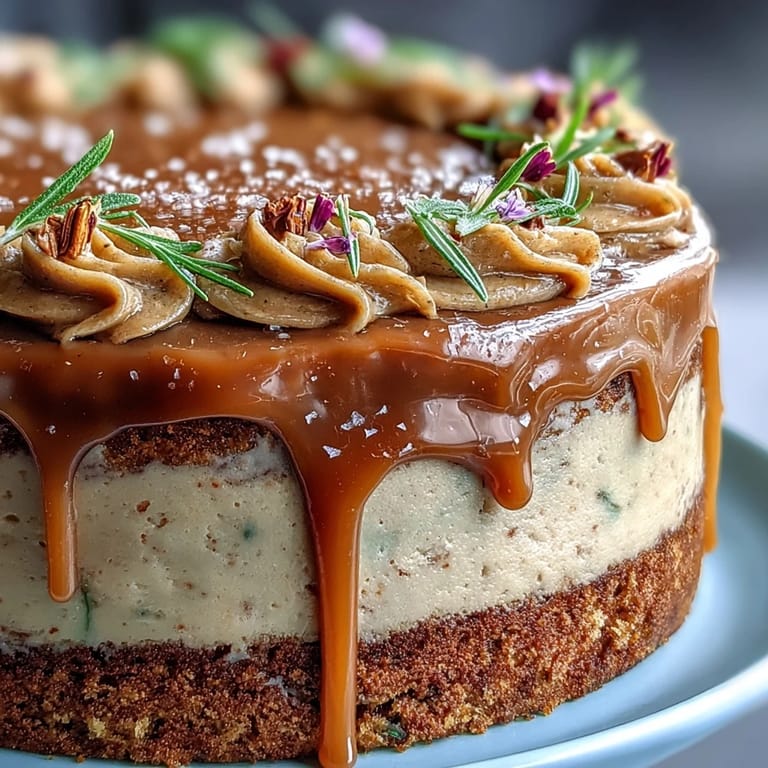
- Butterscotch sauce: Homemade gives the deepest flavor, but cooled before mixing is key to a good rise.
- Powdered sugar: Sifted for lump-free buttercream that swoops like silk onto every layer.
- Rose water: Two teaspoons are plenty; too much overwhelms, but just enough makes it magic (try orange blossom if you’re curious).
- Dried lavender: A pinch adds gentle floral notes—crush well so no one bites a twig.
- Natural colorants: Matcha, beet, turmeric, and cocoa lend earthy hues and subtle flavor; a little goes a long way.
- Edible flowers & fresh herbs: Always check they’re food safe—pansies and violets are favorites for their color and mildness.
- Gold leaf: Totally optional but adds a celebratory sparkle; use tweezers so it doesn’t stick to your fingers.
Tired of Takeout? 🥡
Get 10 meals you can make faster than delivery arrives. Seriously.
One email. No spam. Unsubscribe anytime.
Instructions
- Get Pans Ready:
- Preheat your oven to 350°F (175°C) and line three 8-inch cake pans with parchment so your layers release without a fight.
- Make Butterscotch Sauce:
- Let the butter melt and sizzle before you add the brown sugar, then enjoy the caramel aroma as you swirl in the cream—keep stirring until glossy and smooth.
- Mix the Dry Ingredients:
- Whisk flour, baking powder, baking soda, and salt so everything combines evenly; do this ahead and finishing the batter feels less stressful.
- Cream and Combine:
- Beat butter and brown sugar until pale and fluffy, then add eggs and vanilla—the texture gets silkier with each addition.
- Build the Batter:
- Mix in the sour cream and butterscotch sauce, then alternate the flour mixture and milk; stop when the last streak of flour disappears for tender cake.
- Bake the Layers:
- Divide the batter and smooth the tops; they’re ready to come out when the middle bounces back to a gentle tap.
- Buttercream Magic:
- Whip butter until almost white, then add powdered sugar in batches; a splash of milk transforms it from thick to dreamy, and stirring in rose water or lavender adds delicate perfume.
- Color It Naturally:
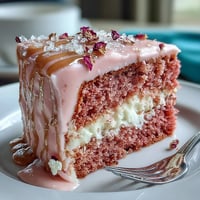
- Separate the frosting and tint with matcha, beet, cocoa, turmeric as you like; fold gently for marbled, earthy swirls.
- Assemble and Chill:
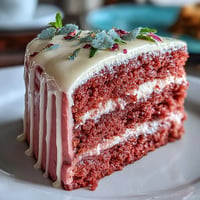
- Stack cakes with buttercream between, frost the outside with wild swirls of color, and chill for twenty minutes so everything sets firm.
- Floral Finish:
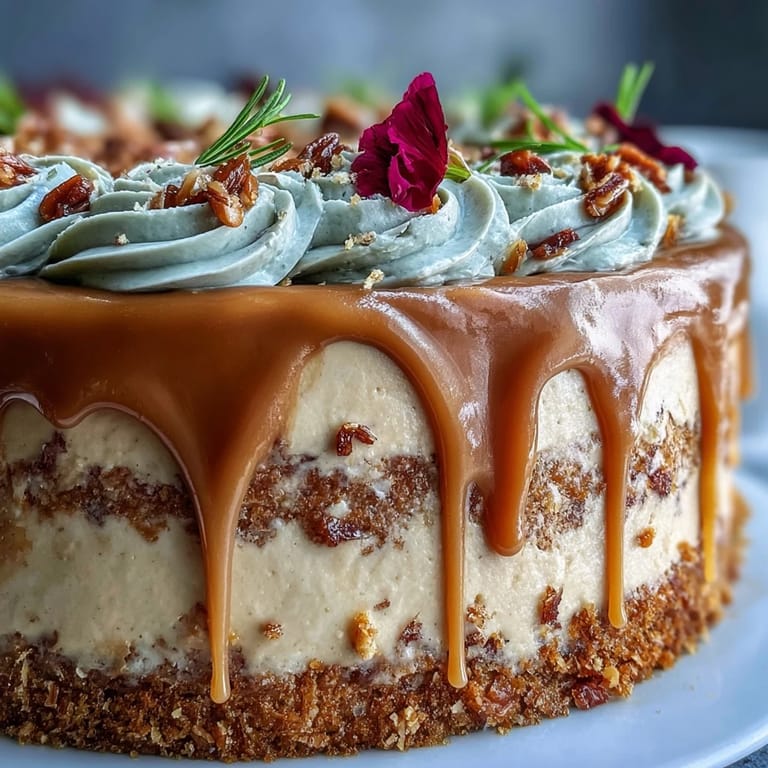
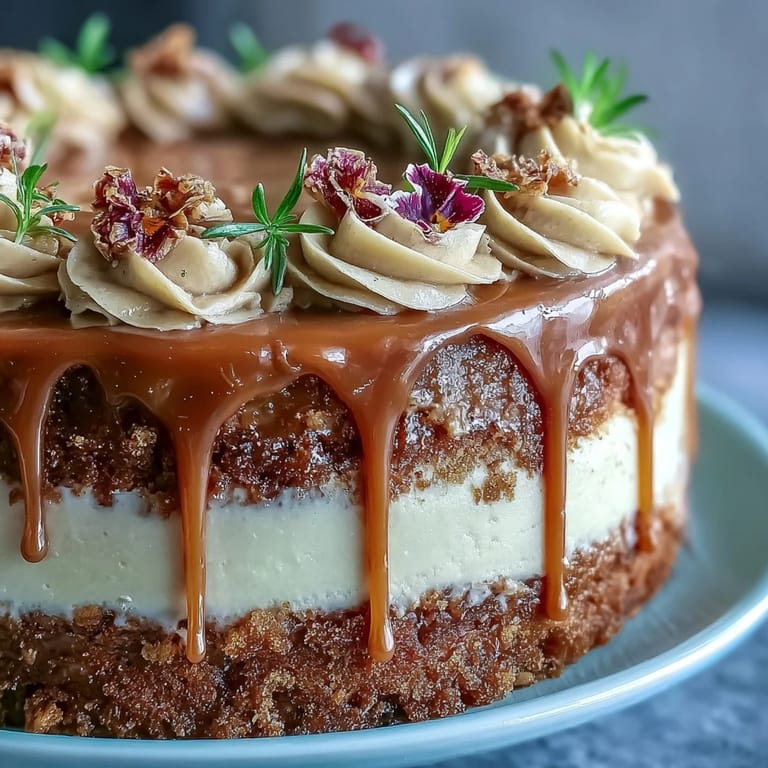
- Add edible flowers, herbs, and gold dust for a garden-inspired finish—let your hands be a little messy for that natural look.
 Save
Save Somewhere between picking the petals and slicing the first piece, I realized this cake had sparked its own little celebration. The kitchen felt fuller, the room brighter—sharing something homemade always has that effect.
Choosing Earth-Tone Colors Without Stress
When in doubt, I keep it simple: choose two or three favorite hues for your buttercream, then let them marble together naturally as you frost. Worrying less about perfection brings out the cake’s earthy, relaxed charm every time.
What Makes the Crumb So Moist?
Sour cream (or plain yogurt) is the real game-changer—it locks in moisture and gives each bite a gentle tang that balances the sweetness. Careful not to overmix once the flour goes in, or the cake can turn dense rather than fluffy.
Making It Your Own: Easy Customizations
Switch up the floral notes: try orange blossom instead of rose water, or skip the lavender for a more classic taste. Vary the color scheme with cocoa for deep browns and matcha for vibrant green—each cake feels a bit different and distinctly yours.
- If you use fresh flowers, add them just before serving so they stay bright.
- A light chill makes slicing clean and tidy, especially with lots of buttercream.
- Leftovers—and extra frosting—are delicious the next day with morning coffee.
 Save
Save I hope this earthy, floral Taurus Cake sparks as much joy in your kitchen as it has in mine—may your celebrations be sweet, colorful, and full of little surprises.
Recipe Questions & Answers
- → How do I prevent the layers from drying out?
Ensure not to overbake: test with a toothpick and remove when it comes out with a few moist crumbs. Brush each layer lightly with cooled butterscotch sauce or a simple syrup before assembling to lock in moisture.
- → Can I swap rose water for another floral ingredient?
Yes—orange blossom water or a splash of vanilla work well. Reduce stronger extracts and taste as you go to keep the buttercream balanced and not overpowering.
- → Which natural colorants give the best earth tones?
Matcha yields muted green, beet powder gives soft pink, cocoa creates brown tones, turmeric gives warm yellow, and spirulina can deepen green; use sparingly for subtle shades.
- → Are edible flowers safe to use on the cake?
Use only edible varieties from trusted sources and avoid flowers treated with pesticides. Wash gently, dry, and place just before serving; refrigerate if using fragile blooms.
- → How do I get a silky, spreadable buttercream?
Beat the butter until pale and airy before adding sifted powdered sugar. Add milk a tablespoon at a time until smooth, then stir in rose water and any finely ground dried lavender for texture and flavor.
- → What’s the best way to assemble and create the earth-toned swirls?
Divide buttercream into portions, tint each with a different natural colorant, then dollop sections on the crumb-coated cake and use an offset spatula to swirl softly so colors remain distinct yet blended for a layered, organic look.