 Save
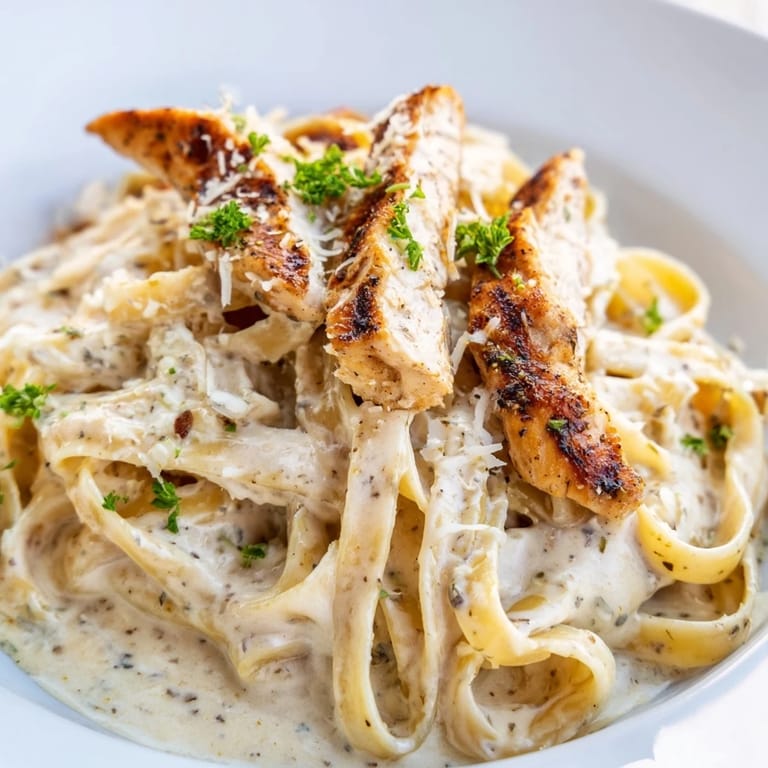
Save The skillet sat on the stove still steaming when my neighbor knocked on the door, drawn by the smell of garlic and cream drifting through the hallway. I had thrown this together on a Thursday night with whatever was in the fridge, not expecting it to become the dish I'd make every time I needed comfort without fuss. She stood in my kitchen, fork in hand, and declared it better than any restaurant version she'd tried. That's when I knew this wasn't just dinner, it was the kind of recipe that makes you feel capable even on your messiest days. Sometimes the best dishes are born from hunger and a single pan.
I made this for my sister the week she moved into her first apartment, teaching her the trick of saving pasta water while she stood next to me, skeptical that starchy liquid could save a sauce. When we tossed everything together and the sauce turned glossy and smooth, she finally understood. Now she texts me photos every time she makes it, usually with a different pasta shape because she refuses to follow rules. It's become her signature move when friends come over, and I love that something I showed her in a cramped galley kitchen has become her own.
Ingredients
- Boneless, skinless chicken breasts: Slicing them into strips means faster cooking and more surface area for browning, which adds flavor to the whole dish.
- Fettuccine or penne pasta: Fettuccine is traditional, but penne holds the sauce in its ridges and tubes, so pick whichever shape makes you happiest.
- Unsalted butter: Using unsalted lets you control the seasoning, and it adds richness that olive oil alone can't match.
- Olive oil: Mixing it with butter keeps the butter from burning at higher heat while you sear the chicken.
- Garlic cloves: Fresh garlic blooms in the warm fat and perfumes the entire sauce, so don't skip mincing it yourself.
- Heavy cream: This is what makes the sauce luxurious and thick, coating everything in a silky layer.
- Parmesan cheese: Freshly grated melts smoothly into the sauce, while pre-grated stuff can turn grainy and won't taste as sharp.
- Low-sodium chicken broth: It loosens the sauce and adds savory depth without making everything too salty.
- Nutmeg: Just a whisper of it brings warmth and a subtle complexity that people notice but can't quite name.
- Salt and black pepper: Season the chicken well before cooking so every bite has flavor, not just the sauce.
- Fresh parsley: A handful of green at the end brightens the richness and makes the whole plate look alive.
Tired of Takeout? 🥡
Get 10 meals you can make faster than delivery arrives. Seriously.
One email. No spam. Unsubscribe anytime.
Instructions
- Boil and Cook the Pasta:
- Bring a large pot of salted water to a rolling boil and cook the pasta until al dente, following the package timing. Before draining, scoop out half a cup of the starchy pasta water and set it aside, it's your secret weapon for a silky sauce later.
- Sear the Chicken:
- Heat olive oil and butter in a large skillet over medium-high heat until shimmering, then season the chicken strips with salt and pepper and cook them for 5 to 6 minutes, flipping once, until golden and cooked through. Remove the chicken to a plate and let the skillet keep all those flavorful browned bits.
- Sauté the Garlic:
- Lower the heat to medium and add the remaining butter and oil to the skillet, then toss in the minced garlic and stir for about a minute until it smells sweet and nutty. Don't let it brown or it'll turn bitter.
- Build the Sauce:
- Pour in the chicken broth and bring it to a simmer, scraping up all the browned bits stuck to the pan, then stir in the heavy cream and nutmeg and let it bubble gently for 2 to 3 minutes. The sauce will start to thicken and smell like a hug.
- Melt in the Cheese:
- Reduce the heat to low and gradually stir in the Parmesan cheese, letting it melt completely into a smooth, glossy sauce. If you add it too fast or the heat is too high, it can clump, so take your time here.
- Combine and Toss:
- Add the cooked pasta and seared chicken back into the skillet and toss everything together, adding splashes of reserved pasta water until the sauce clings to every piece without pooling at the bottom. The starch in the water helps the sauce hug the pasta like it was meant to be.
- Adjust and Garnish:
- Taste the dish and add more salt or pepper if needed, then scatter fresh parsley and extra Parmesan over the top before serving. The parsley cuts through the richness and makes every bite feel balanced.
 Save
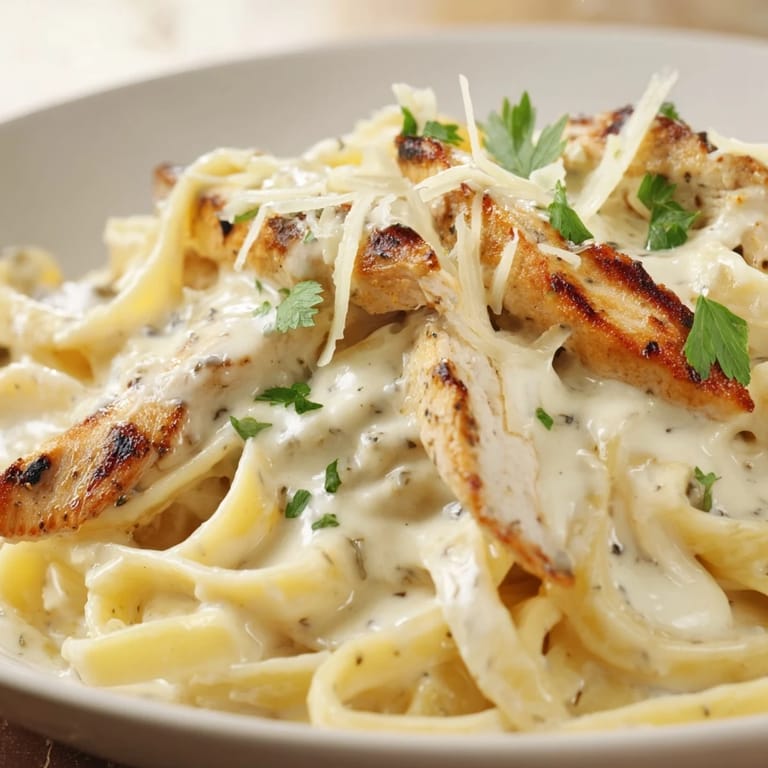
Save There was a night when I made this after a long day and forgot to buy parsley, so I stirred in a handful of baby spinach at the end instead. It wilted into the sauce and turned the whole dish a little greener, a little healthier, and somehow even more satisfying. My partner looked up from his plate and said it tasted like something we'd order on vacation, which is exactly the kind of magic a weeknight skillet meal should have. Now I add greens almost every time, not because I have to, but because that happy accident taught me that this recipe can handle whatever you throw at it.
How to Store and Reheat
Let the leftovers cool completely before transferring them to an airtight container, where they'll keep in the fridge for up to three days. When you reheat, add a splash of cream, broth, or even milk to bring the sauce back to life, since it thickens as it sits. I usually warm it gently in a skillet over low heat, stirring often, so the chicken doesn't dry out and the pasta doesn't turn rubbery. Microwaving works in a pinch, but stop every 30 seconds to stir and add a little liquid so it heats evenly.
Swaps and Add-Ins
If you want to lighten things up, swap half-and-half for the heavy cream, though the sauce won't be quite as luscious. Mushrooms, spinach, sun-dried tomatoes, or even broccoli florets all fold into this beautifully, adding color and nutrition without changing the core flavor. I've used rotisserie chicken when I didn't feel like cooking meat from scratch, and it worked perfectly, just shred it and toss it in at the end. You can also try swapping the chicken for shrimp, which cooks even faster and brings a sweet, briny note that pairs beautifully with garlic and cream.
Serving Suggestions
This dish is rich enough to stand on its own, but a simple green salad with lemon vinaigrette cuts through the creaminess and makes the meal feel complete. Garlic bread is always a crowd-pleaser, perfect for soaking up any extra sauce left on the plate. A crisp white wine like Pinot Grigio or Sauvignon Blanc balances the richness without overwhelming the flavors.
- Serve it straight from the skillet for a cozy, family-style presentation.
- Finish each plate with an extra crack of black pepper and a shower of Parmesan.
- Pair it with roasted asparagus or green beans for a pop of color and a veggie side.
 Save
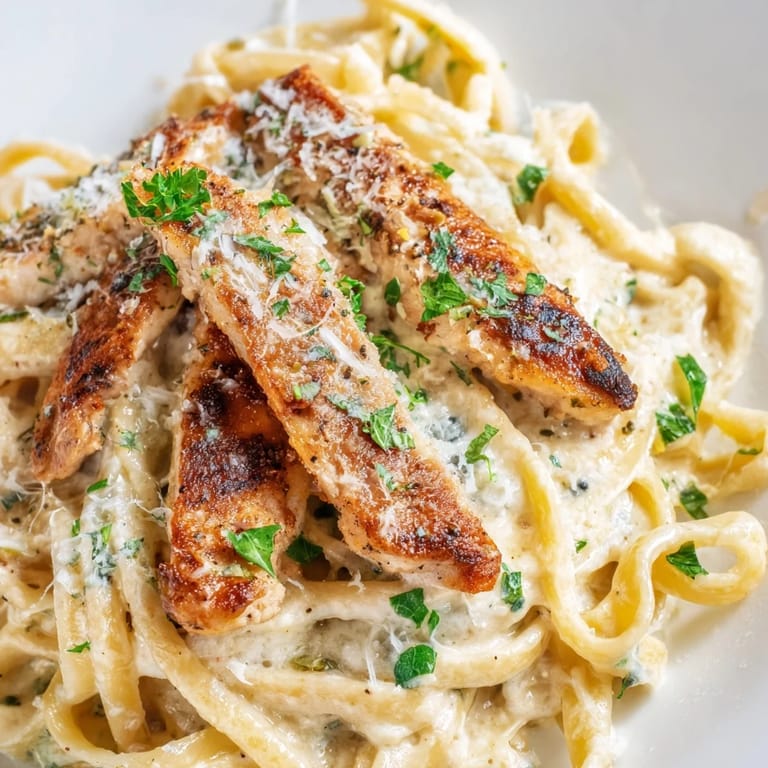
Save This is the kind of recipe that makes you feel like a better cook than you are, and that's a gift worth keeping in your rotation. Every time I make it, I remember why one skillet and a little cream can turn a regular evening into something worth sitting down for.
Recipe Questions & Answers
- → How do I prevent the Alfredo sauce from breaking or becoming grainy?
Keep the heat low when adding Parmesan cheese and stir gradually. Ensure the cream is hot but not boiling, as high heat can cause the cheese to separate. Add cheese off-heat if needed, stirring constantly until smooth.
- → Can I use a different pasta shape instead of fettuccine?
Absolutely. Penne, rigatoni, or linguine work beautifully. Choose pasta with texture to hold the sauce. Cook to al dente so it maintains its bite when tossed with the cream sauce.
- → What's the best way to cook chicken breast so it stays tender?
Slice chicken into strips before cooking to reduce cooking time. Medium-high heat for 5-6 minutes ensures golden exterior without drying the meat. Avoid overcooking by checking for white centers and firm texture.
- → How can I lighten this dish without sacrificing flavor?
Substitute half-and-half for heavy cream for fewer calories while maintaining creaminess. Add sautéed vegetables like mushrooms or spinach for nutrition and volume. Use reduced-sodium broth and taste before adding extra salt.
- → What wine pairs well with this dish?
A crisp white wine like Pinot Grigio, Sauvignon Blanc, or Vermentino complements the rich cream sauce beautifully. The acidity cuts through the richness and cleanses the palate between bites.
- → Can I make this ahead and reheat it?
Yes, but store sauce and pasta separately if possible. When reheating, add a splash of chicken broth or cream to restore the sauce's silky consistency. Reheat gently over low heat, stirring frequently to prevent sticking.