 Save
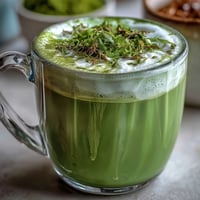
Save Last winter, a friend brought back hojicha tea from Tokyo and left it on my kitchen counter with a note: "Try this for coffee cravings." I was skeptical at first—tea seemed too delicate for cappuccino treatment—but the moment I poured steamed milk into that amber-colored brew, something shifted. The toasty, almost caramel-like aroma filled the kitchen, and suddenly I understood why she'd been so insistent. This drink became my quiet morning ritual, the one I'd make while watching frost melt on the windows.
I made this for my neighbor one snowy afternoon, and she sat at my kitchen table just holding the warm cup, not saying much at first. Then she asked what was in it, surprised it wasn't coffee, and we ended up talking for two hours about tea and travel and all those small things that matter. That cup became the reason for a real conversation, and now whenever she smells hojicha, she texts me.
Ingredients
- Hojicha loose-leaf tea (2 teaspoons or 2 tea bags): This roasted Japanese green tea is the soul of the drink—it's been heated until it's lost its grassiness and gained this warm, almost nutty character that plays beautifully with milk.
- Filtered water (1 cup): Quality water makes a difference because hojicha's subtle flavors can easily get masked by chlorine or mineral heaviness.
- Whole milk or oat milk (1 cup): Whole milk creates the richest foam and has enough fat to complement the tea's roasted notes, but oat milk froths surprisingly well and adds its own creamy sweetness.
- Honey, maple syrup, or sugar (1–2 teaspoons, optional): Hojicha is naturally sweet, so taste first—you might find you don't need any sweetener at all, which was my discovery after the second cup.
Tired of Takeout? 🥡
Get 10 meals you can make faster than delivery arrives. Seriously.
One email. No spam. Unsubscribe anytime.
Instructions
- Steep the hojicha:
- Bring water to a gentle simmer—you want it hot enough to fully extract the tea but not violently boiling, which can make it taste harsh. Add your tea leaves or bags and let them sit for 3 to 4 minutes, watching as the water transforms into this beautiful amber color.
- Heat and froth the milk:
- While the tea steeps, pour milk into a small saucepan over medium heat or use a frother if you have one. You're aiming for that moment just before it boils, when steam starts rising and tiny bubbles form at the edges—that's when you know it's ready to froth. If you're using a whisk or hand frother, work quickly once the milk is warm, moving the frother up and down to trap air and create that silky foam.
- Combine the base:
- Strain the tea into two cups, dividing it evenly. Add your sweetener now if you're using it, stirring gently so the flavors blend while the tea is still hot.
- Pour and layer:
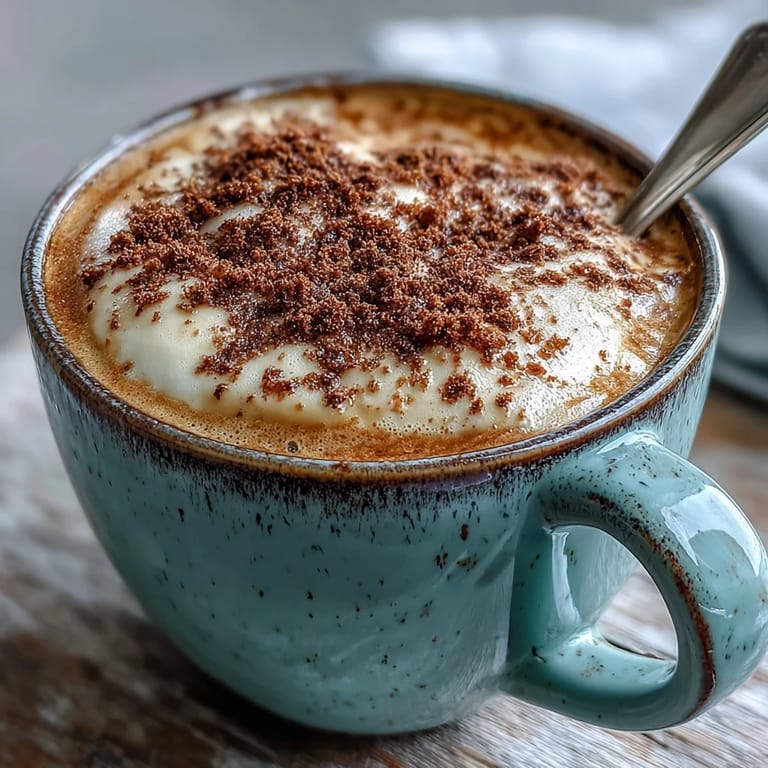
- Here's where the magic happens: slowly pour the steamed milk over the tea, using a spoon to hold back the foam as it flows. Once the milk is in, spoon that reserved foam on top in one generous dollop, just like a real cappuccino.
- Finish with flair:
- A whisper of hojicha powder or a tiny pinch of cinnamon on top not only looks intentional but adds another layer of that roasted flavor you came for.
 Save
Save There's something about serving this drink that makes people pause and actually taste what's in front of them. It's not rushed like coffee often is; it demands a moment of attention, a breath, a real sip. That slowness is when this drink becomes more than caffeine—it becomes permission to stop.
The Magic of Hojicha
Hojicha is unique because it's green tea that's been roasted at high temperatures, which removes most of the caffeine and transforms the flavor completely. Instead of the grassy, sometimes vegetal notes you get from regular green tea, hojicha tastes like it was born in a cozy cabin—warm, slightly sweet, with hints of caramel and toasted grain. It's less intense than black tea but more flavorful than you'd expect, which is why it works so well in creamy drinks where other teas might get lost.
Customizing Your Cappuccino
The beauty of this drink is how forgiving it is. Prefer it stronger? Add an extra teaspoon of hojicha or extend the steeping time by a minute. Want it sweeter? Honey works best because it doesn't muddy the tea's flavor, though maple syrup adds its own interesting dimension. Dairy-free? Oat milk froths like a dream, almond milk is lighter, and soy milk gets thick and creamy—each one shifts the final taste slightly, so don't hesitate to experiment.
Pairing Perfection
This cappuccino sings alongside light pastries, particularly anything with subtle sweetness that won't compete with the tea. Japanese wagashi—those delicate little sweets—are the obvious pairing, but honestly, a simple butter cookie, a slice of sourdough toast with jam, or even a plain croissant lets this drink be the star.
- Avoid heavy chocolate desserts, which can drown out hojicha's delicate roasted notes.
- Serve it immediately after making it so the foam stays thick and the temperature stays perfect.
- Make it for someone when you want them to slow down and actually taste something instead of just drinking it on the go.
 Save
Save This drink taught me that sometimes the best rituals are the quiet ones, the ones that make you notice the small details—the sound of milk frothing, the color shifting from clear to warm amber, the way someone's expression changes when they take that first sip. That's all you really need to know.
Recipe Questions & Answers
- → What does hojicha taste like?
Hojicha has a distinct toasty, nutty flavor with earthy undertones and subtle caramel notes. Unlike green teas, the roasting process reduces bitterness and creates a smooth, mellow taste profile that pairs exceptionally well with creamy milk.
- → Can I make this without a milk frother?
Yes, you can froth milk by vigorously whisking it in a saucepan while heating, or by shaking warm milk in a sealed jar. The texture may be slightly less airy but still creates a creamy, enjoyable beverage.
- → Is hojicha caffeinated?
Hojicha contains less caffeine than regular green tea due to the roasting process, with approximately 20-30mg per cup. This makes it a gentler option for those sensitive to caffeine who still want a warming, aromatic drink.
- → What type of milk works best?
Whole milk creates the richest foam, but oat milk produces excellent frothing results and adds natural sweetness. Almond and soy milk also work well, though they may create a lighter foam texture.
- → How long should I steep hojicha?
Steep hojicha for 3-4 minutes in water just below boiling. This timeframe extracts the full toasty flavors without becoming bitter. You can adjust the steeping time to achieve your preferred strength.