 Save
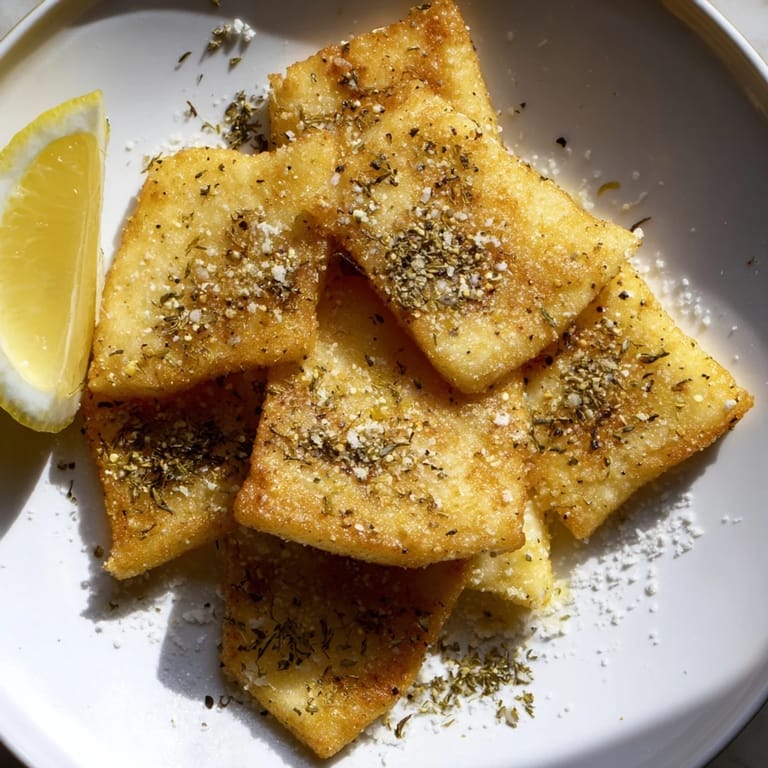
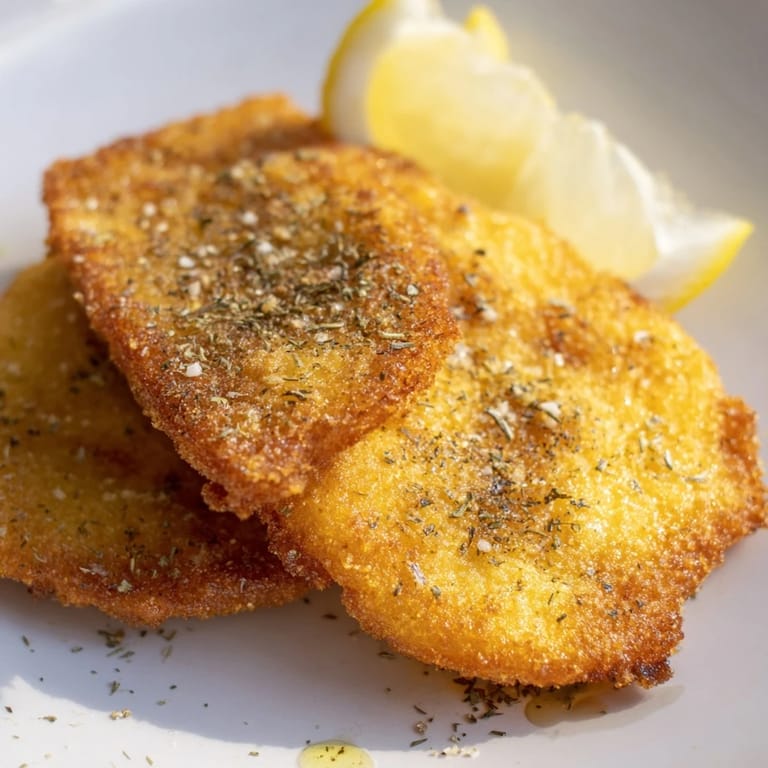
Save I first tasted saganaki at a tiny taverna in Athens, watching the owner's teenage daughter work the line with practiced ease, flipping cheese in a hot pan like she'd been doing it since she could see over the counter. The smell of melting cheese mixing with oregano and lemon was so immediate, so present, that it pulled me out of my own head the way only food can. When she slid that golden, crispy square onto my plate and squeezed fresh lemon over it, I understood instantly why this simple dish has been feeding Greeks for generations. Now whenever I make it at home, I chase that same feeling—the perfect crust, the soft interior, the exact moment the acid hits the hot cheese.
My brother brought saganaki to a dinner party once as his contribution, and I remember him standing at the stove, quietly panicking because he wasn't sure if the oil was hot enough. I talked him through it while everyone else mingled in the living room, and by the time the first batch came out golden and sizzling, he looked genuinely proud. We served them on a big platter with lemon wedges scattered around, and they disappeared in minutes—people kept coming back to the kitchen asking for more. That's when I realized this dish has a kind of social magic to it.
Ingredients
- Firm Greek cheese (kasseri, kefalotyri, or halloumi), 200g, sliced 1 cm thick: The thickness is everything here—too thin and you lose that creamy center, too thick and the outside burns before the inside warms through. Pat the slices completely dry; water is the enemy of a good crust.
- All-purpose flour, 2 tbsp: This isn't about heavy coating; it's just enough to help the cheese brown evenly and create a light, crispy shell that shatters when you cut into it.
- Olive oil, 2 tbsp: Quality matters since this is such a simple dish and the oil will be tasting of itself. Use something you'd actually enjoy on its own.
- Lemon wedges: Don't skip these or treat them as garnish—the acid is crucial, cutting through the richness and bringing everything alive.
- Dried oregano, 1/2 tsp: A pinch is all you need; it shouldn't overpower but rather remind you of warm Greek hillsides.
- Freshly ground black pepper, to taste: Grind it right before serving so it doesn't lose its bite.
Tired of Takeout? 🥡
Get 10 meals you can make faster than delivery arrives. Seriously.
One email. No spam. Unsubscribe anytime.
Instructions
- Prepare Your Cheese:
- Pat each slice thoroughly dry with paper towels until they feel almost waxy to the touch. Any moisture will create steam and ruin your chance at a proper crust.
- Coat Lightly:
- Lay your cheese slices on a plate with flour spread out beside it, then dredge each piece, tapping off the excess immediately. The goal is a delicate whisper of flour, not a heavy blanket.
- Heat Your Oil:
- Pour oil into a non-stick skillet and set it over medium-high heat for about a minute—it should shimmer and move easily, but not smoke. Drop a tiny piece of flour in to test; if it sizzles immediately, you're ready.
- Fry with Confidence:
- Place cheese slices in the hot pan and listen for the sizzle; don't crowd them. Resist the urge to move them around—let them sit for a full minute, until you see golden brown edges creeping up the sides.
- Flip and Finish:
- Flip carefully with a spatula and fry the other side for another minute, watching for that same golden color. The cheese inside should be softening but not leaking out.
- Rest and Serve:
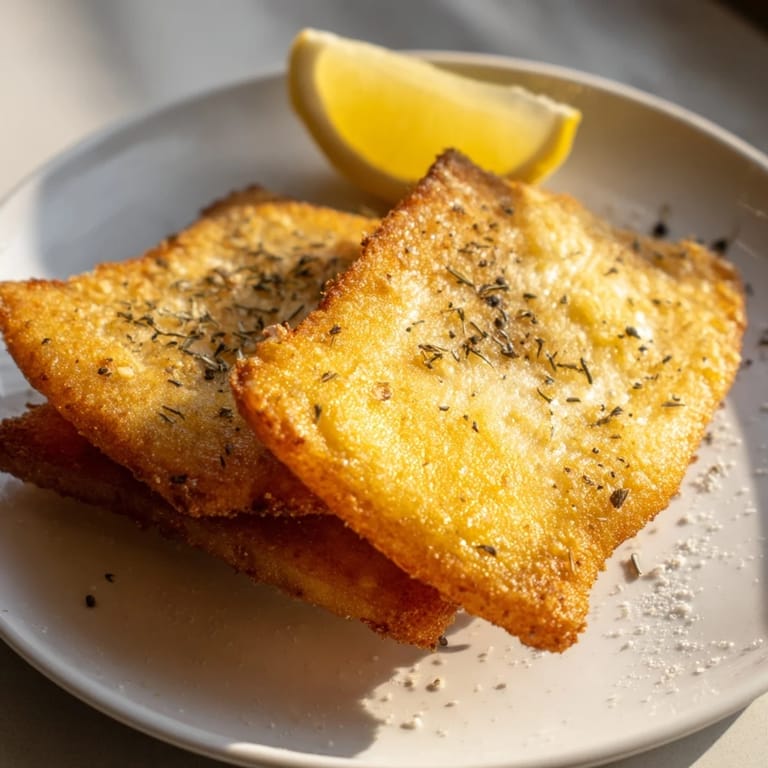
- Transfer to paper towels for just a moment to drain any excess oil, then arrange on a warm plate. Sprinkle with oregano and pepper immediately, then serve with lemon wedges before the cheese cools and hardens.
 Save
Save There was an evening when a friend who'd never had saganaki before took one bite and just closed their eyes for a second, and I realized that food memory is sometimes about exactly that—a single unexpected moment of joy. The way their face changed made me understand why this dish shows up at celebrations and quiet dinners alike, why it endures.
Choosing Your Cheese
The cheese is absolutely the star here, and getting it right changes everything. Kasseri has a slightly higher melting point and delivers that perfect crust-to-creamy-center ratio; kefalotyri is a bit sharper and more assertive; halloumi is squeakier and holds its shape most stubbornly. If you're using halloumi, it might not get quite as creamy inside, but it will hold up beautifully. Graviera works too—it's almost buttery and melts with real elegance. The best approach is to ask your cheese shop what they'd recommend for frying, and trust their experience.
The Oil Temperature Question
Getting the oil temperature exactly right is the real skill here, and it's something you develop by feel more than by thermometer. Too cool and your cheese sweats instead of crisps, turning greasy and sad. Too hot and the outside shatters while the inside stays cold. Medium-high heat is the right neighborhood, but every stove is different, so pay attention to how your first slice behaves—if the edges brown too fast before the inside softens, turn the heat down slightly. The second and third slices are usually better than the first because you've calibrated the temperature by then.
Making It Your Own
While this recipe is classically simple, there's room for small variations that can make it feel like your own discovery. Some tavernas dust the cheese with just a touch of honey after frying, which sounds strange until you taste it—the sweetness playing off the salt and lemon is genuinely elegant. Others add a whisper of garlic powder to the flour, or a tiny pinch of red pepper flakes for heat. You could brush the lemon wedges with a bit more olive oil and toast them gently in the pan before serving, which adds another layer of flavor. The foundation stays the same, but these little touches remind you that even the oldest recipes belong to whoever's cooking them.
- Try a single tiny squeeze of honey if you want a unexpected flavor dimension.
- Toasting your lemon wedges in the pan after frying the cheese adds richness and takes two extra minutes.
- Serve on warm plates so the cheese stays soft longer and the experience feels more generous.
 Save
Save This dish reminds me that sometimes the most memorable meals are the ones that ask nothing of you except attention and care. Make this when you want something that feels both indulgent and honest, and watch how quickly the plate empties.
Recipe Questions & Answers
- → Which cheeses work best for this dish?
Traditional cheeses like kasseri, kefalotyri, halloumi, or graviera are ideal due to their firmness and melting properties.
- → Can I use gluten-free flour for coating?
Yes, substituting all-purpose flour with gluten-free flour keeps the coating crisp while accommodating dietary needs.
- → How should the cheese be prepared before frying?
Pat the cheese slices dry to remove excess moisture, then lightly coat them with flour to achieve a golden, crispy exterior.
- → What is the best way to enhance the flavor after frying?
Sprinkle dried oregano and freshly ground black pepper, then serve hot with lemon wedges to squeeze over the cheese.
- → What oil is recommended for frying?
Use olive oil heated over medium-high for a crisp and flavorful finish without overpowering the cheese.