 Save
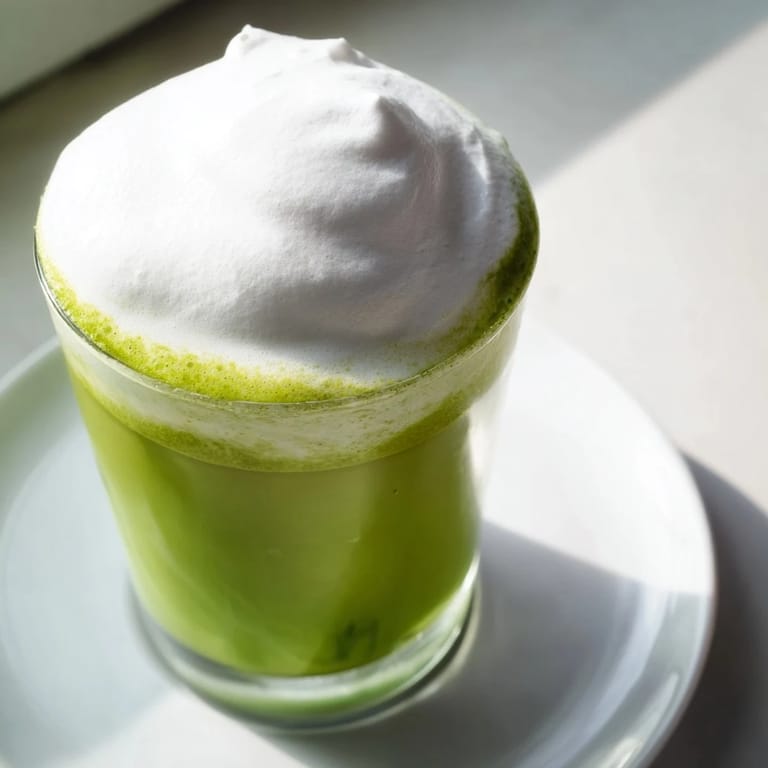
Save The first time I made a matcha latte at home, I was standing in my kitchen at 7 AM, still half-asleep, convinced I'd mess it up. I'd ordered one at a café the week before and couldn't stop thinking about that bright green color and how it tasted like fresh grass and cream at the same time. So I ordered matcha powder online, borrowed a tiny bamboo whisk from a friend, and decided to just try. That first cup taught me that the best mornings aren't always about perfection—they're about that moment when hot water hits the powder and the whole kitchen smells unexpectedly alive.
I made this for my friend Sam one afternoon when they'd had a rough day, and watching them taste it—that little pause before they smiled—reminded me that sometimes the simplest things hit hardest. We sat on my kitchen counter with our mugs, and they asked how I'd learned to make it so well. The truth is I'd probably made it thirty times before it tasted like this, but I didn't say that. I just said it takes practice and attention, which felt true in more ways than one.
Ingredients
- High-quality matcha powder: This is non-negotiable—cheap matcha tastes bitter and dusty, but good matcha is grassy and almost sweet. Sift it first no matter how impatient you are; lumps will haunt you when you try to whisk.
- Hot water (around 80°C/175°F): Water that's too hot turns matcha bitter and chalky, so if you don't have a thermometer, just let it cool for a minute after boiling.
- Milk of choice: Whole milk makes the richest latte, but oat milk froths beautifully and has this creamy sweetness that pairs surprisingly well.
- Cold milk for the foam: Barista-style plant milks froth better than regular ones, a detail I learned the hard way after five disappointing attempts.
- Granulated sugar or simple syrup: Simple syrup dissolves instantly and tastes smoother, but regular sugar works fine if you're using warm milk in the latte base.
- Ice cubes (optional): I love the contrast of cold foam on a cold drink in the summer, but in winter I skip the ice and let the latte stay warm a little longer.
Tired of Takeout? 🥡
Get 10 meals you can make faster than delivery arrives. Seriously.
One email. No spam. Unsubscribe anytime.
Instructions
- Sift your matcha:
- Pour the matcha powder into a small bowl or straight into your mug and run it through a fine sieve. This only takes a few seconds but saves you from that gritty texture that ruins everything.
- Whisk with intention:
- Add the hot water and start whisking with a bamboo whisk (or a small frother if that's what you have) in a quick, circular motion. You're looking for it to get frothy and bright green, not thin and sad—this takes about a minute of real energy.
- Warm and pour the milk:
- Heat your milk gently on the stove or microwave it for about 60 seconds until it's warm but not steaming. Pour it slowly into your matcha mixture while stirring gently so everything blends into one velvety drink.
- Make the cold foam magic:
- Pour cold milk and a teaspoon of sugar into a frothing pitcher or a jar with a tight lid. If you have a frother, use it for about 30 seconds until you get that silky foam. If you're using a jar, seal it tightly and shake hard for about a minute—your arms will work for it, but the result is worth it.
- Assemble and top:
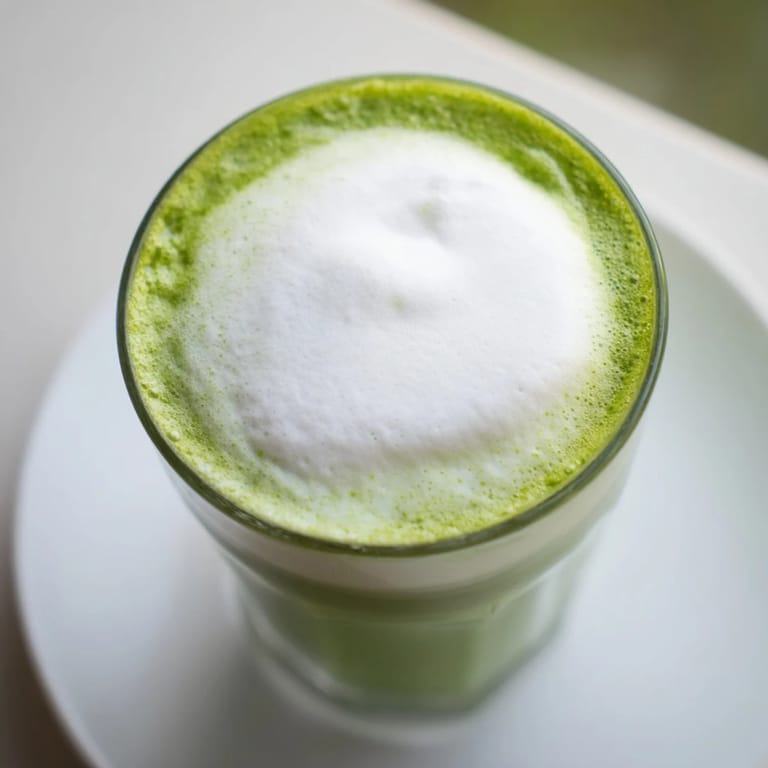
- Pour your matcha latte into a glass and add ice if you want it cold. Spoon that beautiful foam right over the top so it sits in a thick layer on the surface, then serve immediately while everything's still at its peak.
 Save
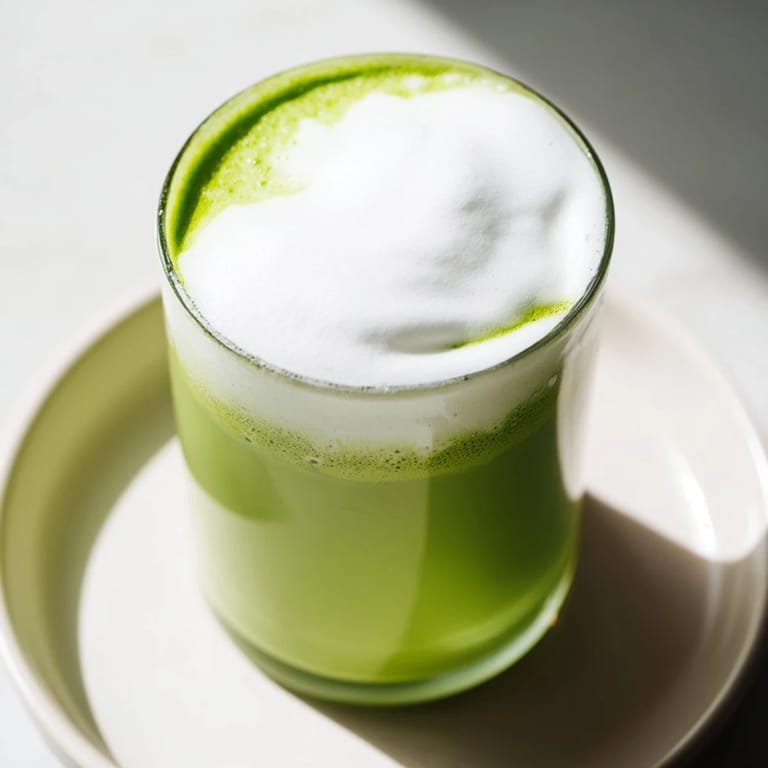
Save There's something almost meditative about whisking matcha, the sound of the whisk hitting the bowl, the way the powder gradually surrenders to the water and transforms into something entirely new. That moment when green powder becomes liquid silk—that's when I know I'm doing something right, even if it's just making a drink.
Choosing Your Milk
The milk you choose genuinely changes the whole experience. Whole dairy milk is rich and creamy and froths into those tight, glossy bubbles that look professional. Oat milk has this subtle sweetness that plays beautifully with matcha's earthiness, while almond milk tends to be thinner and less forgiving. I've experimented with soy milk, barista-blend coconut milk, even cashew milk, and they all have their moment. The trick is using milk that froths well—check the label if you're buying plant-based, because some brands specifically say they're made for frothing, and those are the ones that actually work.
The Foam Technique
Getting that silky, doubled-in-volume cold foam is an art, and I'm still learning. A milk frother makes it foolproof—just pour cold milk and sugar in, press a button, and step away while it works its magic. But if you're using a jar, the shake method requires real commitment: cap it tightly, hold it with both hands, and shake like you mean it for a full minute. You'll know it's ready when you can barely shake it anymore because it's so full of air and you can see the foam has risen to fill half the jar. It sounds like work, but there's something satisfying about creating something beautiful with just your own effort and a glass jar.
When to Serve and How to Customize
This latte is best served immediately while the foam is still pillowy and the latte is at that perfect temperature where everything tastes intentional. But honestly, even if you let it sit for a few minutes, it's still delicious—the foam will sink a little, but that's not a failure, it's just evolution. I like to dust mine with a tiny pinch of matcha powder or cinnamon on top, partly for looks but mostly because a little extra earthiness right at the beginning of each sip makes me slow down and actually taste it instead of just gulping it down like coffee.
- Try vanilla extract (just a drop) whisked into the matcha base for a subtly different flavor.
- Make it iced by skipping the warm milk step and pouring everything over ice for a summer version.
- Experiment with different sugars—honey, maple syrup, or a vanilla simple syrup each bring something new.
 Save
Save Making this matcha latte has become my small morning rebellion against rushing through the day. It's a reminder that taking time for something simple, done with care, changes everything.
Recipe Questions & Answers
- → What is the best way to whisk matcha for a smooth texture?
Use a bamboo whisk (chasen) or a small milk frother to vigorously whisk the matcha powder with hot water until frothy and lump-free.
- → Can I use plant-based milk for the latte and foam?
Yes, oat, soy, almond, or other barista-style plant milks work well for both the latte and cold foam, providing a creamy texture.
- → How do I create the cold foam topping?
Combine cold milk with sugar and froth vigorously using a milk frother or by shaking in a sealed jar until thick and doubled in volume.
- → Is it possible to serve this drink iced?
Absolutely, after preparing the latte, add ice cubes before topping with cold foam to enjoy a chilled version.
- → How can I adjust the sweetness of the drink?
Modify the amount of sugar or simple syrup in the foam to suit your taste, allowing for a sweeter or more subtle flavor.
- → What tools are recommended for preparation?
A bamboo whisk or milk frother, a small saucepan or microwave to warm milk, a frothing pitcher or jar, and a spoon are useful tools.