 Save
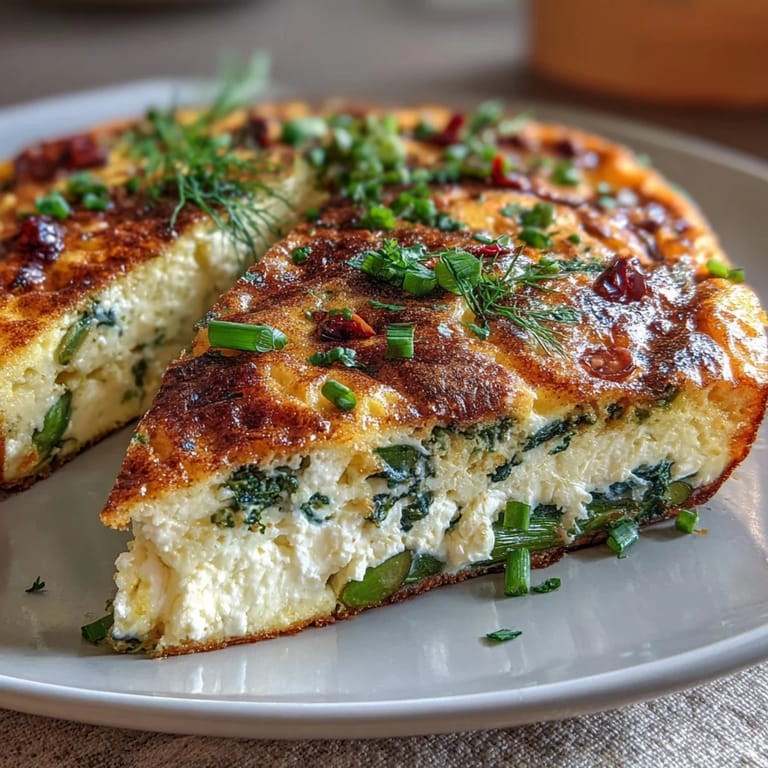
Save My neighbor stopped by one April morning with a bunch of asparagus from her garden, and I found myself staring at it, wondering what to do beyond the usual roasted side dish. That's when I remembered a frittata my aunt used to make—the kind that looked so effortless on the plate but tasted like someone had spent hours fussing. Turns out, the magic wasn't in the work; it was in knowing when to let the oven finish what the stovetop started. This version, with tender asparagus, creamy goat cheese, and fresh herbs folded throughout, became my go-to when I want something that feels both impressive and completely doable.
I made this for my friend Emma on a Sunday morning when she mentioned being tired of the same breakfast routine, and watching her face when she took that first bite—the way she paused and actually tasted it instead of just eating—that's when I knew this frittata had staying power. She asked for the recipe before she'd finished her plate, and now it shows up at her house whenever she's got people over.
Ingredients
- Asparagus (about 200 g, trimmed and cut into 2 cm pieces): Look for bright green spears that snap when you bend them; the fresher it is, the more delicate the flavor in the finished frittata.
- Red onion (1 small, finely chopped): The slight sweetness mellows as it cooks, and the color adds visual warmth to every slice.
- Baby spinach (1 cup, roughly chopped): It wilts down to almost nothing, so don't hesitate to use the full amount—it's mostly water and goodness.
- Eggs (6 large): Room temperature eggs blend more smoothly and cook more evenly than cold ones straight from the fridge.
- Whole milk (1/4 cup): This keeps the frittata tender; skip it or swap it for cream if you want something richer.
- Goat cheese (100 g, crumbled): Don't overmix it into the egg base; those little pockets of cheese are what make this special.
- Parmesan cheese (2 tbsp grated): A sharpness that balances the goat cheese's tanginess and adds a golden crust on top.
- Fresh chives (2 tbsp, finely sliced): Half go into the eggs, half as garnish; this keeps the flavor bright without overpowering.
- Fresh dill (1 tbsp, chopped, optional): If you love herbs, dill and asparagus are meant for each other; if you're unsure, start with just the chives.
- Salt and black pepper: Taste as you go; the cheeses add saltiness, so go easy at first.
- Red pepper flakes (pinch, optional): A tiny bit on top adds intrigue without heat.
- Olive oil and butter (2 tbsp and 1 tbsp): The combination keeps the vegetables from sticking and adds a gentle nuttiness.
Tired of Takeout? 🥡
Get 10 meals you can make faster than delivery arrives. Seriously.
One email. No spam. Unsubscribe anytime.
Instructions
- Get your oven ready:
- Set it to 180°C (350°F) so it's hot and waiting when you need it.
- Soften the onion:
- Heat olive oil in a 25–28 cm ovenproof skillet over medium heat, then add red onion and let it cook undisturbed for the first minute or two—you want it to turn translucent and slightly caramelized at the edges.
- Cook the asparagus:
- Add the asparagus pieces and stir occasionally for 4–5 minutes until they're just tender; there should still be a tiny bit of resistance when you bite one. Toss in the spinach and cook for another minute until it's barely wilted.
- Whisk the egg custard:
- In a separate bowl, whisk together eggs, milk, salt, black pepper, and half of the chives and dill—this is your base, and whisking really does matter because it makes the frittata fluffy rather than dense.
- Bring everything together:
- Lower the heat to low, pour the egg mixture evenly over the vegetables in the pan, then scatter the crumbled goat cheese across the top and sprinkle with Parmesan. Don't stir; let it start to set gently on the stovetop.
- The stovetop start:
- Let it cook undisturbed for 4–5 minutes until the edges begin to set and look opaque, but the center is still wobbly when you give the pan a gentle shake—this is exactly where you want to stop.
- Into the oven:
- Transfer the skillet to the preheated oven and bake for 10–12 minutes until the center is just set and the top is lightly golden; don't overbake or it becomes rubbery.
- Rest and serve:
- Let it sit in the pan for 5 minutes—this helps it firm up just enough to slice cleanly. Garnish with the remaining fresh herbs and a pinch of red pepper flakes, then slice into wedges and serve warm or at room temperature.
 Save
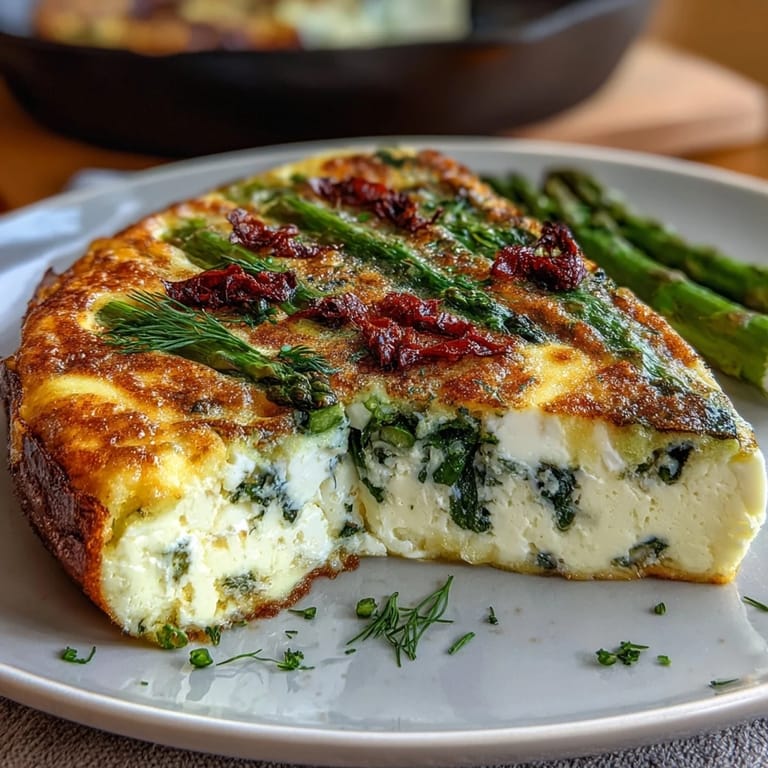
Save My cousin brought her new partner to Easter brunch, and I made this frittata because it felt like the right balance of showing effort without seeming stressed about it. Halfway through the meal, they asked if I did this professionally—which felt like the highest compliment, because it meant the ease was real, not just performance.
Building Flavor Through Layers
The magic of this frittata isn't in any single ingredient; it's in how they talk to each other. The earthiness of asparagus plays against the tartness of goat cheese, while the fresh herbs whisper rather than shout. That's why I'm particular about not mixing the goat cheese into the egg custard—those little pockets of creaminess scattered throughout the frittata are what you're really after. Start building your own favorite by thinking about what spring tastes like to you.
Why Ovenproof Skillets Win
I've tried this recipe in regular skillets and baking dishes, and something essential gets lost. An ovenproof skillet—whether cast iron or heavy nonstick—holds heat evenly and transitions from stovetop to oven without fuss, which means no scrambling eggs or unevenly cooked centers. The pan becomes your partner, not an obstacle.
Make It Your Own
Spring vegetables are the backbone here, but the frittata is forgiving enough to welcome what's in your garden or farmers market. Swap the asparagus for tender peas or thinly sliced leeks, trade goat cheese for crumbled feta or ricotta if that's what you love, or add a handful of fresh mint if that's calling to you. The technique stays the same; the spirit of the dish—light, fresh, and effortlessly elegant—remains intact.
- This frittata pairs beautifully with a crisp white wine, sparkling rosé, or even a bright herbal iced tea.
- Serve it alongside a simple green salad and crusty bread to make a complete meal that feels like brunch without the fuss.
- Leftovers keep beautifully in the fridge for three days, perfect for breakfast the next morning or a quick lunch.
 Save
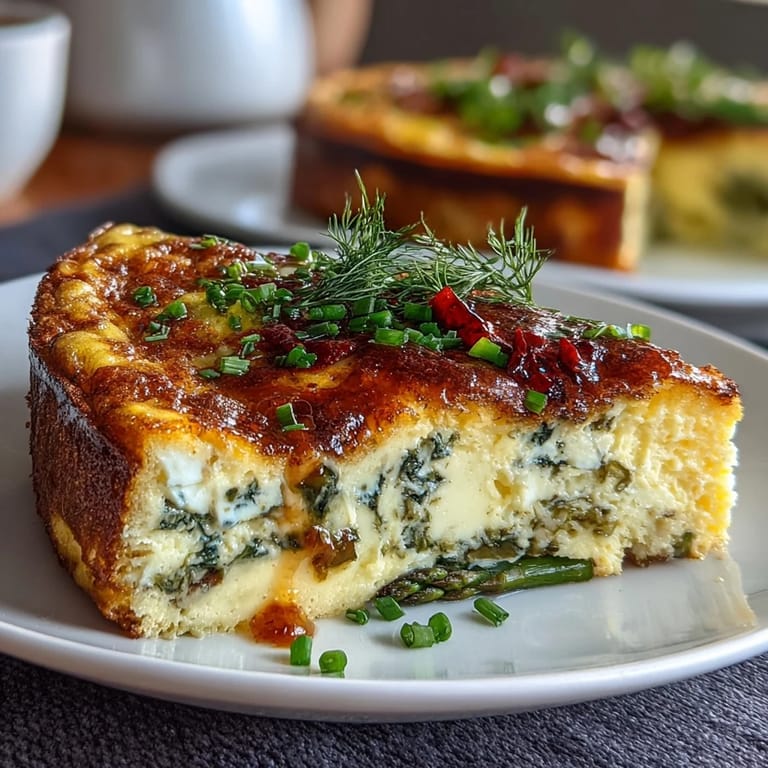
Save This frittata has become my answer to the question: what do you make when you want to cook something that makes people happy? It asks very little of you but delivers something that tastes like spring and feels like love.
Recipe Questions & Answers
- → Can I substitute goat cheese with another cheese?
Yes, feta or ricotta can be used as alternatives to goat cheese, offering a different flavor profile while maintaining creaminess.
- → What pan is best for cooking this dish?
An ovenproof skillet, such as nonstick or cast iron, around 10 to 11 inches in diameter works best to cook and bake evenly.
- → How can I tell when the dish is done baking?
The dish is ready when the center is just set and lightly golden, usually after 10–12 minutes in a preheated 180°C oven.
- → Can I add other vegetables to this dish?
Yes, adding other spring vegetables like peas or leeks can enhance the flavor and variety.
- → Is this suitable for gluten-free diets?
Yes, as prepared, the dish is gluten-free, but it’s important to check cheese and milk labels if gluten sensitivity is a concern.