 Save
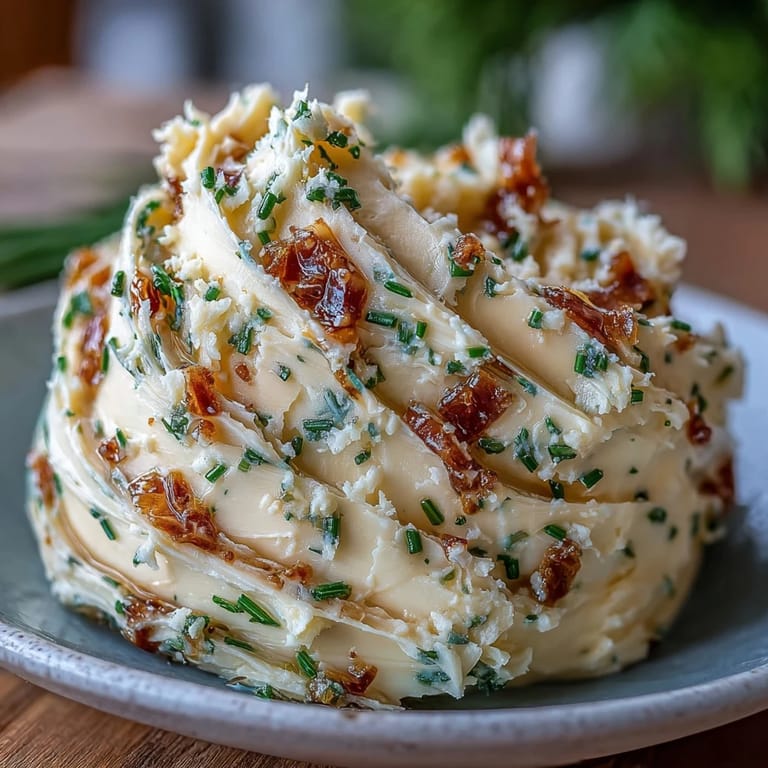
Save My neighbor handed me a jar of salted honey butter last summer, still warm from her kitchen, and I spread it across a slice of toasted sourdough without thinking twice. The way it melted into golden pools while the salt crystals caught the light made me realize this wasn't just a condiment—it was a small act of generosity in butter form. I spent the next week making batch after batch, experimenting with different herbs until I found the combination that made my kitchen smell like a garden and a bakery had a wonderful argument.
I brought a small ramekin to a potluck once and watched people keep coming back to the bread basket, not realizing the magic was the butter. Someone asked for the recipe halfway through the party, and by the end of the night, three different people had taken notes. That's when I knew this simple mixture deserved to live in everyone's kitchen.
Ingredients
- Unsalted butter, softened: The foundation of everything—use the good stuff because there's nowhere to hide here, and room temperature butter is non-negotiable for smooth blending.
- Honey: Wildflower or acacia honey brings depth that regular clover honey can't quite match, though honestly any quality honey will work if that's what you have.
- Fleur de sel: This delicate sea salt doesn't dissolve completely, giving you those little bursts of seasoning that make people stop mid-bite to ask what just happened.
- Fresh thyme: Earthy and quietly sophisticated, thyme plays beautifully with honey without trying too hard.
- Fresh chives: They add a whisper of onion that keeps everything from tasting too sweet and one-dimensional.
- Fresh rosemary: Use this sparingly because it's bold; a teaspoon is generous unless you love that pine-forest intensity.
Tired of Takeout? 🥡
Get 10 meals you can make faster than delivery arrives. Seriously.
One email. No spam. Unsubscribe anytime.
Instructions
- Bring butter to life:
- Pull your softened butter from the counter and combine it with honey in a bowl, then beat with a spatula or hand mixer until the two become one creamy cloud. You'll notice the color shift from pale yellow to something richer as you work.
- Layer in the flavor:
- Fold in your salt and chopped herbs gently, letting them distribute evenly throughout—don't overwork this or you'll bruise the herbs and lose their brightness. This is a moment for a light hand and a few turns of the spatula.
- Taste and trust yourself:
- A tiny pinch on your finger tells you everything; adjust the salt upward if it tastes flat or add more honey if you want extra sweetness to shine through.
- Shape your creation:
- Scrape everything onto parchment paper and roll it into a log, twisting the ends like you're wrapping a present, or simply transfer it to a small ramekin if you prefer rustic simplicity. Either way works beautifully.
- Let it rest:
- Refrigerate for at least an hour so the flavors settle and the butter firms up to the perfect spreading consistency. Patience here pays dividends.
- Finish and serve:
- A final sprinkle of fleur de sel on top adds visual appeal and a reminder of what makes this special, then let it warm slightly before guests arrive so it spreads like silk.
 Save
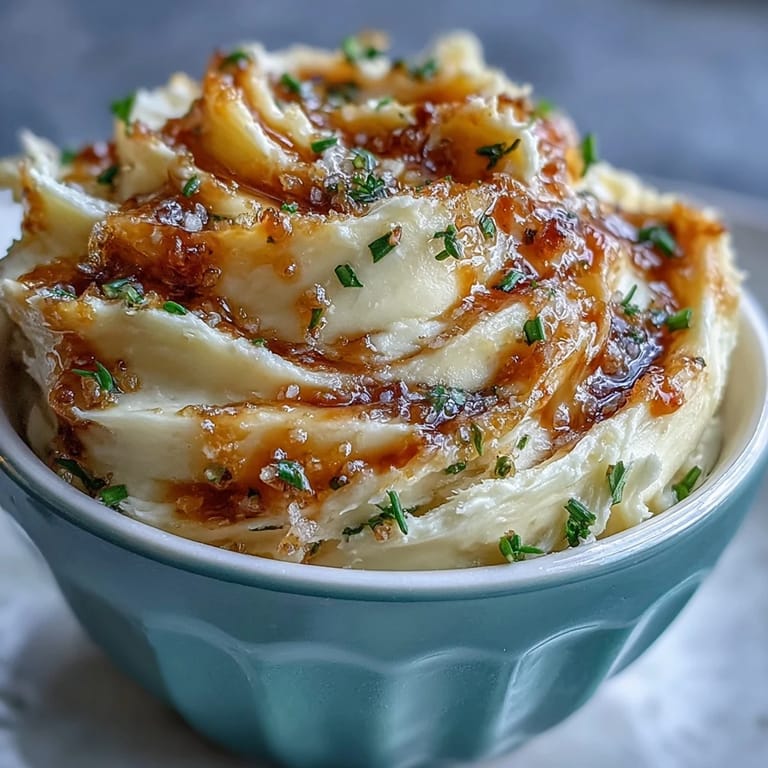
Save My daughter once asked why this butter was better than the kind from the store, and I realized I couldn't give her a practical answer—only that food made with attention and intention tastes different, feels different. She's eight and already understands that the best meals are the ones where someone cared enough to make something small into something special.
The Herb Question
People always ask about swapping herbs, and the answer is yes—thyme and chives are the foundation, but basil brings a summer sweetness, tarragon adds an almost anise-like mystery, and dill works beautifully if you're planning to use this on seafood or delicate vegetables. I've even added lemon zest on mornings when I wanted brightness, and it transformed everything into something more vibrant. The secret is tasting as you go and trusting that your instincts know what your kitchen needs.
Where This Butter Shines
Warm bread is the obvious canvas, but I've discovered this works everywhere from cornbread still hot from the skillet to roasted vegetables still steaming on the plate. Grilled corn becomes something transcendent, and even simple pasta gets elevated when a spoonful melts into the heat. The real magic happens when you experiment beyond the obvious and find your own favorite pairing.
Storage and Keeping
Wrapped tightly, this butter lives happily in your refrigerator for up to two weeks, or in the freezer for three months if you want to make a big batch and ration it slowly. I often make double batches because once people taste it, they always ask for more, and having extra in the freezer means you're never caught unprepared. This is the kind of thing that transforms ordinary moments into ones people remember.
- Let frozen butter thaw in the refrigerator overnight before using so the herbs stay vibrant.
- A small ramekin looks lovely on a table and signals to guests that this meal includes thoughtful details.
- Label and date your butter if freezing, because time moves strangely in the freezer and you'll thank yourself later.
 Save
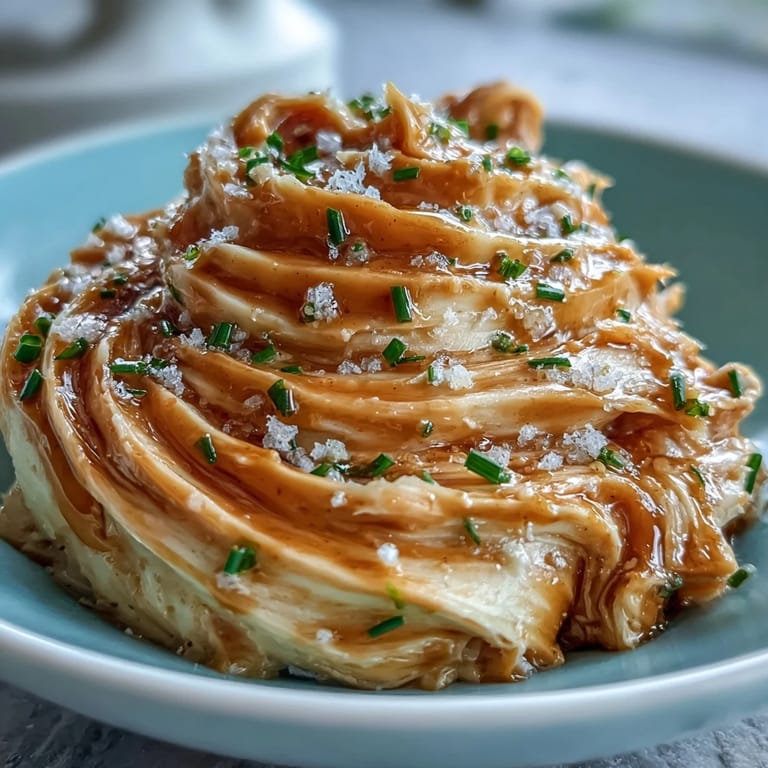
Save This butter reminds me that the most meaningful cooking doesn't require fancy techniques or rare ingredients—just attention and care. Make it once and it becomes the kind of thing you'll find yourself reaching for constantly, the small luxury that makes every meal feel intentional.
Recipe Questions & Answers
- → What type of honey works best in this dish?
Wildflower or acacia honey is preferred for its delicate sweetness and floral notes that complement the herb flavors.
- → Can I use salted butter instead of unsalted?
Unsalted butter is recommended to control the salt level precisely, especially since fleur de sel is added separately.
- → How long should I chill the butter mixture?
Chilling for at least one hour helps the flavors meld and firms the butter for easier spreading.
- → What herbs can I substitute if I don’t have thyme or chives?
Basil, tarragon, or dill are excellent alternatives that provide a fresh and unique herbal profile.
- → Is there a way to add a citrus flavor?
Adding a teaspoon of lemon zest brightens the blend with a subtle citrus twist.
- → How should I serve this spread?
Serve at room temperature to ensure easy spreading on warm bread, cornbread, or roasted vegetables.