 Save
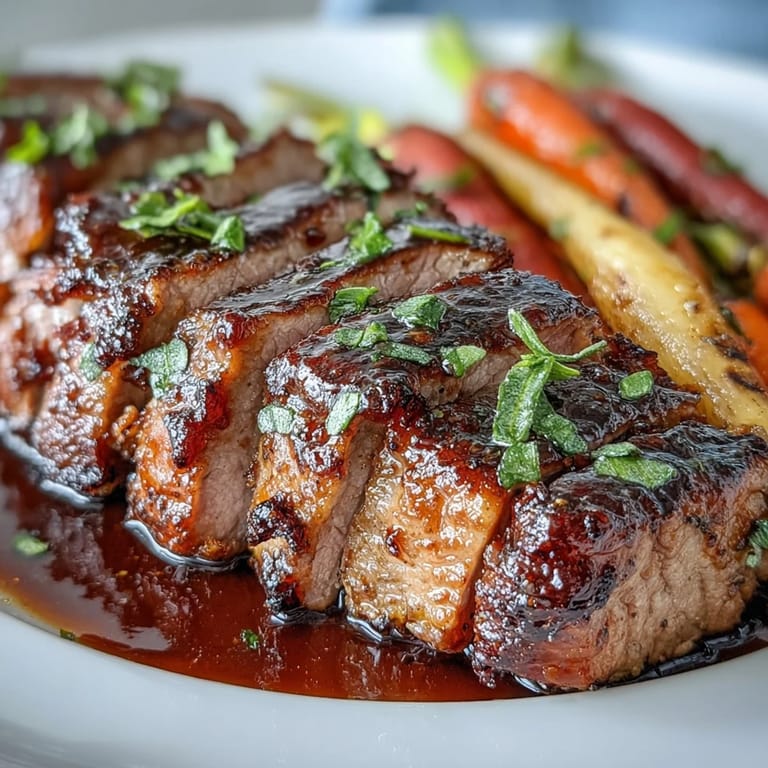
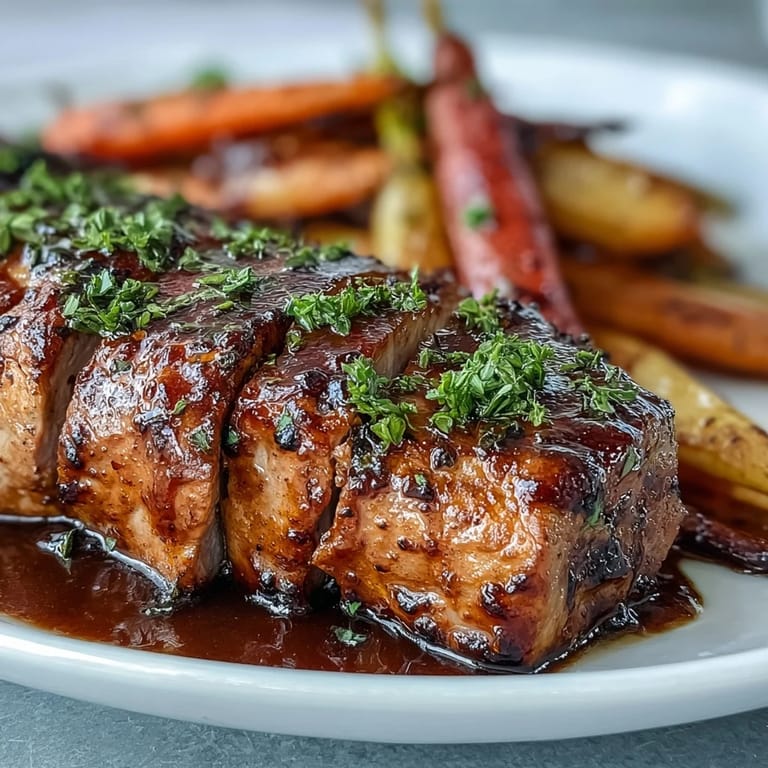
Save There's something magical about a dish that transforms simple ingredients into a feast for both the eyes and palate. This One-Pan Honey Balsamic Pork Tenderloin with Rainbow Carrots does exactly that, creating a symphony of sweet and tangy flavors that dance across your taste buds. The pork tenderloin, known for its lean tenderness, becomes extraordinarily succulent when glazed with honey and balsamic vinegar, while the rainbow carrots add vibrant color and earthy sweetness to complete this rustic yet elegant meal.
Save This dish draws inspiration from traditional farmhouse cooking, where simple, quality ingredients are allowed to shine. The marriage of sweet honey with aged balsamic vinegar creates a glaze that transforms as it cooks, developing complex layers of flavor that coat the pork and carrots. As it roasts, your kitchen will fill with an irresistible aroma that brings everyone to the table with eager anticipation.
Ingredients
Tired of Takeout? 🥡
Get 10 meals you can make faster than delivery arrives. Seriously.
One email. No spam. Unsubscribe anytime.
- For the Pork: 1 ½ lbs (680 g) pork tenderloin, trimmed, 1 tbsp olive oil, 1 tsp kosher salt, ½ tsp freshly ground black pepper
- For the Glaze: 3 tbsp honey, 2 tbsp balsamic vinegar, 1 tbsp Dijon mustard, 2 garlic cloves, minced, 1 tsp dried thyme (or 1 tbsp fresh thyme leaves)
- For the Vegetables: 1 lb (450 g) rainbow carrots, peeled and halved lengthwise, 1 tbsp olive oil, ½ tsp kosher salt, ¼ tsp freshly ground black pepper
Instructions
- Prepare the oven and baking sheet
- Preheat the oven to 425°F (220°C). Line a large rimmed baking sheet with parchment paper or foil for easy cleanup.
- Prepare the carrots
- Place the rainbow carrots on the prepared baking sheet. Drizzle with 1 tablespoon olive oil, sprinkle with ½ teaspoon salt and ¼ teaspoon pepper, and toss to coat. Arrange carrots in a single layer along the sides of the pan, leaving space in the center for the pork.
- Season the pork
- Pat the pork tenderloin dry with paper towels. Rub all over with 1 tablespoon olive oil, 1 teaspoon salt, and ½ teaspoon black pepper. Place the pork in the center of the baking sheet.
- Make the glaze
- In a small bowl, whisk together honey, balsamic vinegar, Dijon mustard, minced garlic, and thyme. Brush half of the glaze over the pork tenderloin.
- Begin roasting
- Roast for 15 minutes. Remove the pan from the oven and brush the remaining glaze over the pork.
- Finish cooking
- Return to the oven and roast for an additional 10–15 minutes, or until the pork reaches an internal temperature of 145°F (63°C) and the carrots are tender and caramelized.
- Rest and serve
- Transfer the pork to a cutting board and let rest for 5 minutes before slicing. Serve with the roasted carrots and pan juices.
Zusatztipps für die Zubereitung
Für optimale Ergebnisse, lassen Sie das Fleisch vor dem Kochen etwa 30 Minuten bei Raumtemperatur ruhen. Dies sorgt für gleichmäßigeres Garen. Wenden Sie die Karotten nach der Hälfte der Garzeit, damit sie von allen Seiten gleichmäßig karamellisieren. Für noch intensiveren Geschmack können Sie den Balsamico-Essig vor der Zubereitung der Glasur einkochen, bis er sirupartig wird.
Varianten und Anpassungen
Dieses Rezept lässt sich wunderbar an persönliche Vorlieben anpassen. Wer es kräutiger mag, kann frischen Rosmarin oder Salbei hinzufügen. Für eine pikantere Note sorgt ein Hauch Chiliflocken in der Glasur. Statt Regenbogenkarotten können auch Pastinaken, Süßkartoffeln oder sogar Rote Bete verwendet werden - achten Sie dann nur auf unterschiedliche Garzeiten. Für eine herbstliche Variante fügen Sie Apfelstücke in den letzten 10 Minuten der Garzeit hinzu.
Serviervorschläge
Dieses Gericht ist bereits eine vollständige Mahlzeit, kann aber mit einigen Beilagen noch bereichert werden. Ein lockerer Quinoa- oder Couscoussalat passt hervorragend dazu. Für ein festlicheres Essen servieren Sie es mit einem leichten grünen Salat, angemacht mit Zitronensaft und Olivenöl. Ein Glas Pinot Noir rundet das Geschmackserlebnis perfekt ab. Garnieren Sie das Fleisch vor dem Servieren mit frisch gehackter Petersilie oder Thymian für einen Farbtupfer.
 Save
Save This One-Pan Honey Balsamic Pork Tenderloin with Rainbow Carrots represents the perfect balance between simplicity and sophistication. It's the kind of recipe that becomes a trusted favorite in your culinary repertoire – reliable enough for family dinners yet impressive enough for special occasions. The beauty of this dish lies not just in its vibrant appearance, but in how it transforms humble ingredients into something truly memorable with minimal effort and maximum flavor. From the first tantalizing aroma to the final delicious bite, it delivers pure satisfaction.
Recipe Questions & Answers
- → What temperature should pork tenderloin be cooked to?
Cook pork tenderloin to an internal temperature of 145°F (63°C) for safe, juicy results. Use a meat thermometer to check the thickest part of the meat.
- → Can I use regular carrots instead of rainbow carrots?
Absolutely. Regular carrots work perfectly fine. Rainbow carrots add beautiful color to the presentation, but the flavor and cooking time remain the same with standard orange carrots.
- → How do I know when the glaze is caramelized?
The glaze is done when it turns a deep golden brown and appears sticky and glossy. This usually happens during the final 10-15 minutes of roasting. Watch closely to prevent burning.
- → What sides pair well with this pork?
The roasted rainbow carrots already provide a vegetable component. For a heartier meal, add mashed potatoes, wild rice, or crusty bread to soak up the pan juices.
- → Can I prepare the glaze ahead of time?
Yes, whisk the glaze ingredients together up to a day in advance and store in an airtight container in the refrigerator. Bring to room temperature before using for even application.
- → Why should I let the pork rest before slicing?
Resting allows the juices to redistribute throughout the meat, ensuring each slice stays moist and tender. Cutting immediately causes the juices to run out, resulting in drier pork.