 Save
Save My friend texted me one Tuesday asking what to bring to a potluck, and I realized I'd been making grain bowls obsessively for weeks—not because I was following some trendy diet, but because they felt like the ultimate kitchen freedom. No rules, no rigid steps, just a canvas where yesterday's roasted vegetables could meet today's mood. That's when it clicked: this wasn't just a recipe, it was permission to stop overthinking lunch.
I made these for my sister's book club when she asked me to bring something nobody would judge her for eating during their meeting, and something magical happened—everyone started trading bowls and asking what was in theirs instead of actually discussing the book. That's when I knew this format wasn't just practical, it was genuinely craveable.
Ingredients
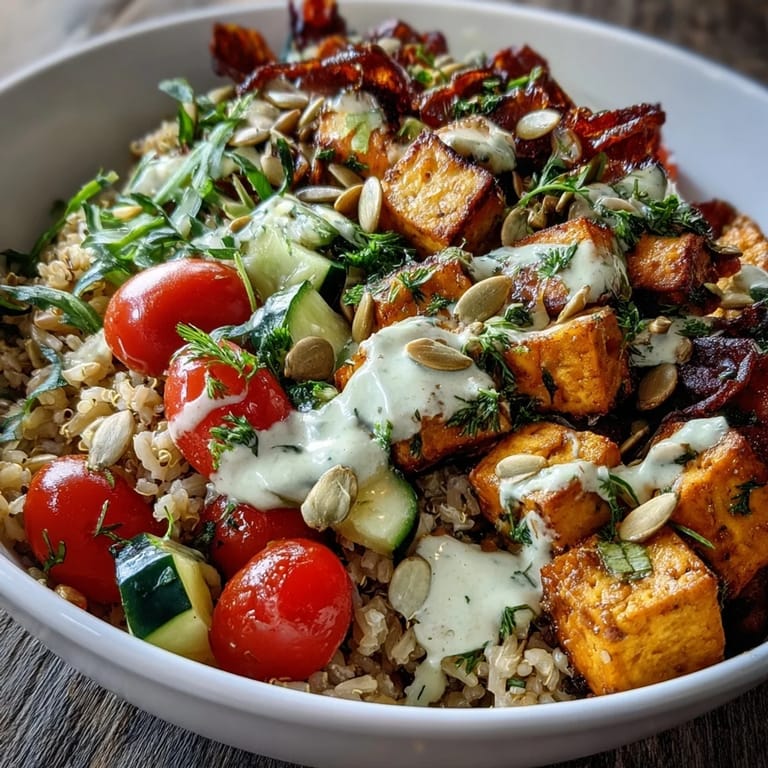
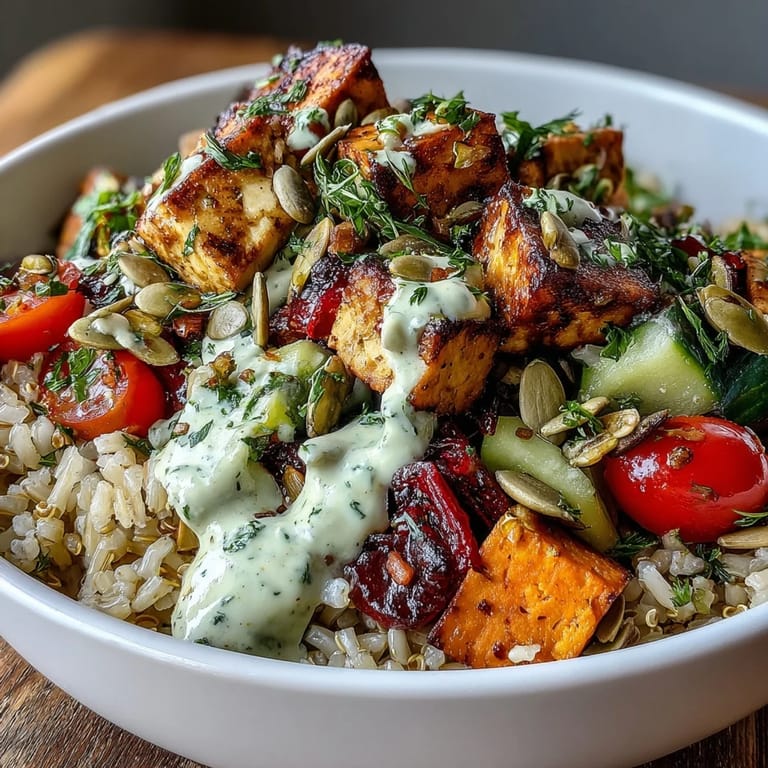
- Grains (pick your champion): Brown rice brings earthiness and texture, quinoa adds protein and this slightly nutty flavor that works with almost everything, farro has this chewy satisfaction that keeps you full, and couscous is your speedy option when time is tight—use whatever calls to you that day.
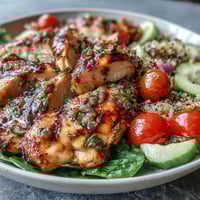
- Proteins (choose your anchor): Chicken is the reliable friend, tofu soaks up whatever dressing you throw at it, chickpeas turn any bowl vegetarian without feeling like a sacrifice, and shrimp adds brightness if you're craving something lighter.
- Fresh vegetables (the real stars): Cherry tomatoes burst with sweetness, cucumber adds refreshing crunch, roasted sweet potato brings almost caramel-like warmth, broccoli gets nutty when it's steamed, shredded carrots add natural sweetness and color, and avocado is your creamy moment of luxury.
- Toppings and extras (your personality goes here): Crumbled feta adds a salty punch, toasted seeds or nuts give you that satisfying crunch factor, fresh herbs brighten everything up, and sesame seeds add visual drama plus a toasted flavor note.
- Dressings (the difference between good and unforgettable): Lemon-tahini is nutty and grounding, balsamic vinaigrette is your classic move that works with everything, soy-ginger makes the bowl feel restaurant-quality, and green goddess is pure spring in a bottle.
Tired of Takeout? 🥡
Get 10 meals you can make faster than delivery arrives. Seriously.
One email. No spam. Unsubscribe anytime.
Instructions
- Cook your grains the easy way:
- Follow whatever instructions are on your package, but here's the trick—fluff the grains with a fork immediately when they're done so they don't turn into a sticky brick. Let them cool just enough to handle comfortably.
- Get your protein ready:
- If you're using leftover cooked chicken or tofu, perfect—cube it up and you're halfway there. If you're cooking fresh, this is when you do that, and your kitchen will smell absolutely incredible.
- Prep your vegetables with intention:
- Wash everything thoroughly because you're eating these raw, so that part matters. Chop at roughly the same size so your bowl feels intentional, not chaotic.
- Assemble with the grain as your foundation:
- Spoon your chosen grain into the bottom of each bowl first—this is your base, your anchor. This keeps everything from sliding around and makes it feel substantial.
- Layer on the proteins and vegetables:
- Arrange them however makes you happy, though keeping similar items together looks nicer and means you get a little bit of everything in each bite. Think of it like you're styling the bowl for a photo, even if nobody else will see it.
- Add your toppings right before eating:
- Sprinkle the cheese, seeds, nuts, and herbs on top so they stay crispy instead of getting soggy. This is where texture becomes part of the experience.
- Finish with dressing:
- Drizzle just enough to coat everything lightly—too much and you're drinking dressing instead of eating a bowl. If you're meal prepping, keep the dressing separate so components stay fresh longer.
 Save
Save My coworker started bringing grain bowls after I made her one, and I watched her actually enjoy her lunch for the first time all year instead of eating at her desk while stressed. That moment made me realize this recipe wasn't just about food—it was about giving yourself permission to eat something that tastes good and feels nourishing at the same time.
The Art of Mix and Match
The real magic happens when you stop thinking of this as a strict recipe and start thinking of it as a formula. You're working with categories: grain, protein, vegetables, something crunchy, something fresh, something creamy, and something to bring it all together with flavor. Once you understand that structure, you can make this bowl five different ways without repeating yourself. I've discovered that certain combinations work better together—spicy soy-ginger with shrimp and broccoli hits different than the same dressing with chickpeas, even though both are technically correct.
Dressing as the Personality Shifter
Here's something I learned the hard way: the same bowl with different dressings becomes an entirely different meal. I made an identical base for my partner and myself last week, gave myself the green goddess, and gave him the balsamic, and we both felt like we were eating something completely different. The dressing is where you inject your mood into the bowl—use tahini when you need something grounding, soy-ginger when you want to feel transported, balsamic when you're craving something elegant and familiar. Start with less dressing than you think you need, taste it, and add more if you want—you can always drizzle but you can't take it back.
Building Your Perfect Bowl Every Single Time
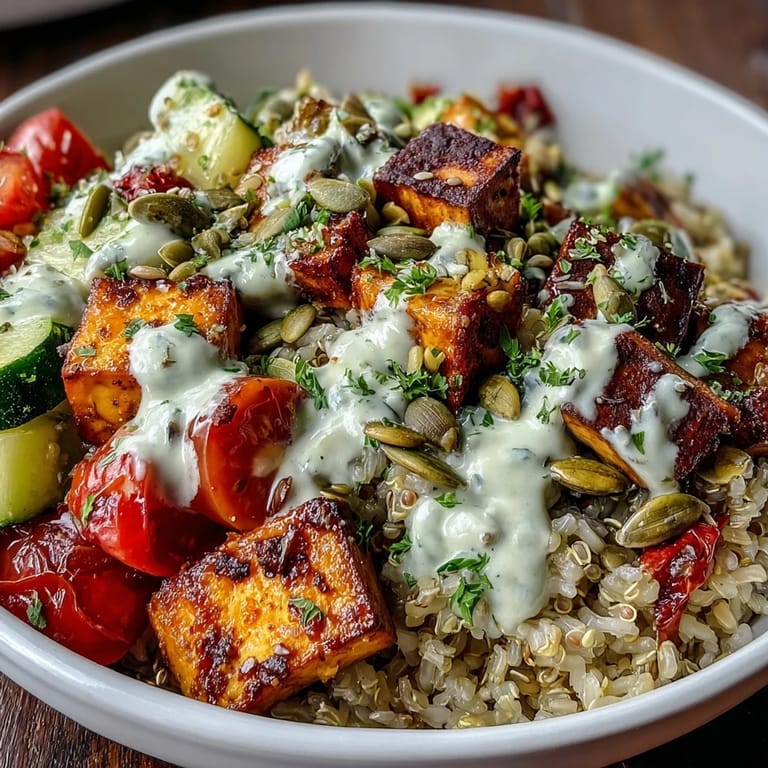
The beautiful thing about customizable bowls is that there's no such thing as a wrong combination, only preferences. Some days I want my bowl heavy on vegetables and light on grain when I'm trying to eat cleaner, other days I pile the grain higher because I want something more filling. The vegetables should take up about half your bowl visually, your grain and protein should split the other half, and the toppings are just the garnish that makes you want to eat it.
- Keep your roasted vegetables on a sheet in the fridge and rotate which grain you use to keep things from getting repetitive.
- Make your dressing in a small jar and shake it before using so the flavors stay balanced throughout the week.
- Toast your nuts and seeds yourself if you have time—they taste dramatically better than pre-toasted, and your bowl will smell incredible while they're in the oven.
 Save
Save Every time someone asks me what I eat for lunch, I tell them about these bowls, and something about having a go-to that's both nutritious and genuinely delicious has changed how I think about cooking. This isn't fancy or complicated—it's just permission to make something exactly how you want it.
Recipe Questions & Answers
- → How do I prepare grain bowls in advance?
Cook grains and proteins ahead of time, store them separately in airtight containers, and chop vegetables when ready to assemble. Keep components refrigerated for 3-4 days, adding delicate ingredients like avocado and dressings just before serving to maintain freshness and texture.
- → What grains work best for meal prep?
Brown rice, quinoa, and farro hold up beautifully for several days without becoming mushy. Couscous is quicker to prepare but may dry out faster—refresh with a splash of water or extra dressing when reheating. For lower-carb options, cauliflower rice or leafy greens make excellent bases.
- → Can I make grain bowls vegan?
Absolutely. Choose plant-based proteins like baked tofu, chickpeas, or edamame. Skip cheese toppings or use nutritional yeast instead. Opt for dressings without honey or dairy, such as lemon-tahini or soy-ginger. The result remains protein-rich and satisfying while being completely animal-free.
- → What dressings pair well with grain bowls?
Creamy lemon-tahini adds richness with nutty depth, balsamic vinaigrette offers bright acidity that complements roasted vegetables, soy-ginger brings umami notes to Asian-inspired combinations, and green goddess dressing provides herbaceous freshness. Each dressing transforms the bowl with distinct flavor profiles.
- → How can I add more protein without meat?
Combine plant proteins strategically—chickpeas provide fiber and texture, edamame adds complete protein, hemp seeds sprinkled on top deliver omega-3s, and quinoa as a grain base contributes additional protein. Greek yogurt or hummus as dressings also boost protein content while adding creaminess.
- → What vegetables offer the best texture contrast?
Combine raw vegetables with cooked elements for variety: crisp cucumber, shredded carrots, and cherry tomatoes provide crunch, while roasted sweet potato, steamed broccoli, and sautéed peppers add tenderness. This interplay keeps each bite interesting and satisfying.